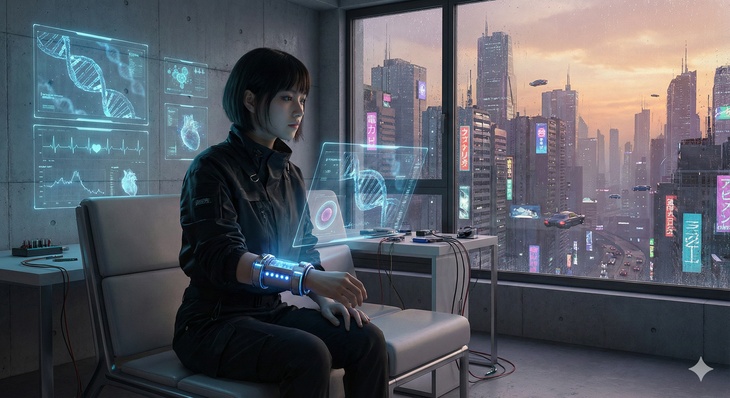
In the quest for eternal youth, a burgeoning movement known as "biohacking" is shifting from the fringes of Silicon Valley into the mainstream. At its core, biohacking is the practice of utilizing science, technology, and self-experimentation to optimize human performance and extend the healthy human lifespan. This multidisciplinary approach encompasses everything from basic lifestyle modifications to advanced biotechnological interventions.
Proponents of biohacking, or "grinders," often focus on "quantified self" metrics. By employing wearable devices that monitor heart rate variability, glucose levels, and sleep architecture, individuals can gain unprecedented insights into their physiological state. This data-driven strategy allows for the meticulous recalibration of diet and exercise, aiming to transcend the limitations of conventional medicine. Furthermore, the field of longevity science is exploring more radical avenues, such as senolytic drugs designed to eliminate "zombie cells" and intermittent fasting to trigger autophagy—the body’s cellular recycling process.
However, this technological frontier is fraught with ethical and safety concerns. Critics argue that the "do-it-yourself" nature of some biohacking practices—such as unregulated gene editing or excessive supplement stacks—could lead to unforeseen health ramifications. Moreover, the prospect of biological enhancement raises profound questions about equity. If life-extending technologies are only accessible to a wealthy elite, we risk creating a biological class divide that could redefine human society. As the line between therapy and enhancement continues to blur, a robust regulatory framework is paramount to ensure that these advancements benefit humanity as a whole.
The Convergence of Biohacking and Longevity Science
中文翻譯
在追求永恆青春的過程中,一種被稱為「生物駭客」的新興運動正從矽谷的邊緣走向主流。其核心在於利用科學、技術和自我實驗來優化人類表現並延長健康壽命。這種跨學科的方法涵蓋了從基本的生活方式改變到先進的生物技術干預措施等各個方面。生物駭客的支持者,或稱「磨盤者」,通常專注於「量化自我」的數據指標。通過使用監測心率變異性、血糖水平和睡眠結構的可穿戴設備,個人可以獲得前所未有的生理狀態洞察。這種數據驅動的策略允許人們對飲食和運動進行細緻的重新校準,旨在超越傳統醫學的局限。此外,長壽科學領域正在探索更激進的途徑,例如旨在消除「殭屍細胞」的抗衰老藥物,以及觸發細胞自噬—即人體細胞回收過程—的間歇性斷食。
然而,這個技術前沿充滿了倫理和安全方面的擔憂。批評者認為,某些生物駭客行為的「DIY」性質—例如不受監管的基因編輯或過度的補充劑堆疊—可能會導致無法預見的健康後果。此外,生物增強的前景引發了深刻的公平性問題。如果延壽技術只有富裕的精英階層才能獲得,我們可能會面臨生物階級鴻溝的風險,這將重新定義人類社會。隨著治療和增強之間的界限變得模糊,建立健全的監管框架對於確保這些進步能造福全人類至關重要。
🔑 重點單字 (Vocabulary)
- burgeoning adj.. 萌芽的;迅速發展的
- multidisciplinary adj.. 跨學科的;結合多種專業的
- meticulous adj.. 一絲不苟的;嚴謹的
- ramification n.. 後果;衍伸的影響
- paramount adj.. 至關重要的;首要的
掌握一種語言等於擁有一個新世界
 語言健身房 https://www.langym.com 提供
語言健身房 https://www.langym.com 提供
