
In recent months, the urgency surrounding plastic pollution has escalated from a localized environmental concern to a critical global crisis. According to a recent report by international environmental agencies, more than eight million tons of plastic enter our oceans annually, creating vast "garbage patches" that threaten marine biodiversity and enter the human food chain through microplastics. While individual nations have implemented bans on single-use plastics, the transboundary nature of oceanic currents means that no single country can solve this problem in isolation.
The economic implications are equally profound. Coastal industries, particularly tourism and artisanal fishing, have suffered significant financial losses as shorelines become inundated with synthetic debris. Furthermore, the carbon footprint associated with plastic production continues to grow, exacerbating the global climate emergency. In response, world leaders are currently negotiating a landmark international treaty aimed at establishing a circular economy for plastics. This proposed framework focuses on the entire lifecycle of the material, from design and production to waste management and recycling.
However, the path to a global consensus is fraught with challenges. Developing nations argue that they require substantial financial and technical assistance to transition away from cheap plastic alternatives. Meanwhile, major plastic-producing corporations are lobbying for more flexible regulations that prioritize recycling over production caps. Despite these stark differences in perspective, the consensus among scientists is clear: without immediate and unprecedented intervention, the amount of plastic waste in the environment is projected to triple by 2040. The resolution of this crisis will serve as a litmus test for the international community's ability to prioritize long-term planetary health over short-term economic interests.
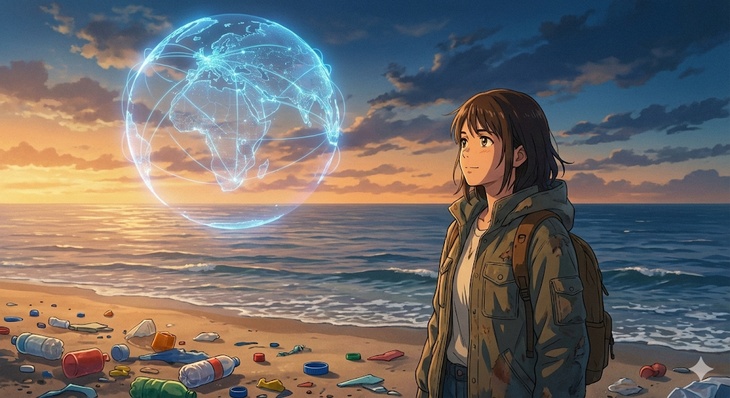
The Global Crisis of Plastic Pollution: A Call for International Cooperation
中文翻譯
近幾個月來,圍繞塑膠污染的緊迫性已從局部環境問題演變為嚴峻的全球危機。根據國際環境機構的最新報告,每年有超過八百萬噸塑膠進入海洋,形成巨大的「垃圾帶」,威脅海洋生物多樣性,並透過微塑膠進入人類食物鏈。雖然各國已實施單次使用塑膠禁令,但海洋洋流的跨界特性意味著沒有任何一個國家能獨自解決此問題。其經濟影響同樣深遠。隨著海岸線被合成碎片淹沒,沿海產業(尤其是旅遊業和手工漁業)遭受了重大財務損失。此外,與塑膠生產相關的碳足跡持續增長,加劇了全球氣候緊急狀態。作為回應,世界領導人目前正在談判一項具有里程碑意義的國際條約,旨在建立塑膠循環經濟。該擬議框架側重於材料的整個生命週期,從設計和生產到廢物管理和回收。
然而,達成全球共識的道路充滿挑戰。發展中國家主張,他們需要大量的財政和技術援助才能轉向廉價塑膠的替代品。同時,主要的塑膠生產公司正在游說爭取更靈活的法規,優先考慮回收而非生產上限。儘管這些觀點存在顯著差異,但科學家們的共識是明確的:如果沒有立即且史無前例的干預,環境中的塑膠廢棄物量預計到 2040 年將增加兩倍。這場危機的解決將成為國際社會能否優先考慮長期地球健康而非短期經濟利益的試金石。
🔑 重點單字 (Vocabulary)
- transboundary adj.. 跨界的;超越國界的
- profound adj.. 深遠的;深刻的
- inundated adj.. 淹沒的;氾濫的
- exacerbating v.. 使惡化;加重
- consensus n.. 共識;一致看法
- fraught adj.. 充滿(困難/危險)的
- stark adj.. 顯著的;赤裸裸的
- unprecedented adj.. 史無前例的
- litmus test n.. 試金石;檢驗標準
- intervention n.. 干預;介入
掌握一種語言等於擁有一個新世界
 語言健身房 https://www.langym.com 提供
語言健身房 https://www.langym.com 提供
