
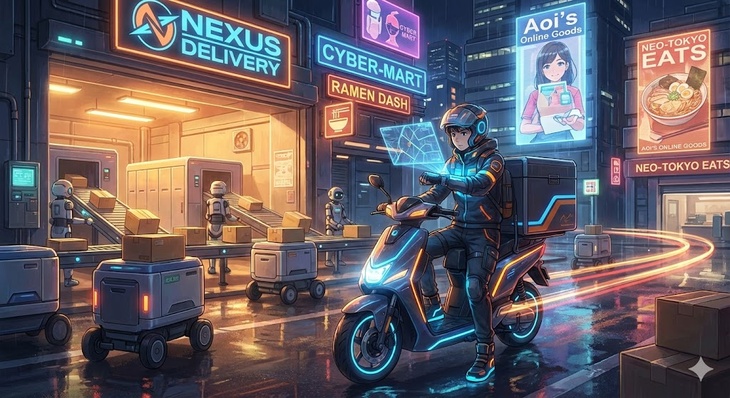
The landscape of global commerce has undergone a radical transformation over the past decade. E-commerce, once a secondary option for shoppers, has now become a dominant force in the retail industry. This shift is not merely about convenience; it reflects a fundamental change in how consumers interact with brands and make purchasing decisions. With the integration of artificial intelligence and big data, online platforms can now offer highly personalized shopping experiences that were once unimaginable.
One significant factor driving this growth is the rise of mobile commerce. As smartphones become increasingly essential to daily life, consumers are now able to shop anytime and anywhere. This "always-on" mentality has forced traditional brick-and-mortar stores to re-evaluate their business models. Many have adopted an "omnichannel" approach, blending physical locations with digital storefronts to provide a seamless customer journey. This strategy ensures that businesses remain competitive in an environment where speed and efficiency are highly valued.
Furthermore, social media has emerged as a powerful tool for marketing and sales. "Social commerce," the process of selling products directly through social platforms, has gained immense popularity among younger generations. Influencers and targeted advertisements play a crucial role in shaping consumer preferences. However, this digital expansion also brings challenges, such as concerns over data privacy and the environmental impact of rapid delivery services. As the industry continues to prosper, finding a balance between innovation and ethical responsibility will be the key to long-term success.
The Evolution of E-commerce and Consumer Behavior
中文翻譯
在過去的十年間,全球商業景觀經歷了徹底的變革。電子商務曾是消費者的次要選擇,如今已成為零售業的主導力量。這種轉變不僅僅是為了方便;它反映了消費者與品牌互動及做出購買決策方式的根本改變。隨著人工智慧與大數據的整合,線上平台現在能夠提供以往難以想像的高度個人化購物體驗。推動這一增長的一個重要因素是行動商務的興起。隨著智慧型手機在日常生活中變得越來越不可或缺,消費者現在可以隨時隨地購物。這種「永遠在線」的心態迫使傳統的實體店面重新評估其商業模式。許多店面已採用「全通路」策略,將實體店鋪與數位店面結合,提供無縫的顧客旅程。這種策略確保了企業在高度重視速度與效率的環境中保持競爭力。
此外,社群媒體已成為行銷與銷售的強大工具。「社群商務」,即直接透過社群平台銷售產品的過程,在年輕一代中獲得了極大的人氣。網紅與精準廣告在形塑消費者偏好方面發揮了至關重要長的作用。然而,這種數位擴張也帶來了挑戰,例如對數據隱私的擔憂以及快速配送服務對環境的影響。隨著產業持續繁榮,在創新與倫理責任之間找到平衡將是長期成功的關鍵。
🔑 重點單字 (Vocabulary)
- integration n.. 整合;合併
- re-evaluate v.. 重新評估
- prosper v.. 繁榮;成功
- seamless adj.. 無縫的;完美的
- competitive adj.. 有競爭力的
- fundamental adj.. 根本的;基礎的
- efficiency n.. 效率
- immense adj.. 巨大的;廣大的
- preference n.. 偏好;喜好
- ethical adj.. 倫理的;道德的
掌握一種語言等於擁有一個新世界
 語言健身房 https://www.langym.com 提供
語言健身房 https://www.langym.com 提供
