
While grand monuments and ancient ruins provide a tangible link to our past, some of humanity's most precious treasures are invisible. These are the songs, rituals, traditional crafts, and oral histories that constitute our "intangible cultural heritage." Unlike stone structures, these living traditions depend entirely on the continuous transmission of knowledge from one generation to the next. However, in an increasingly globalized world, many of these unique practices are on the verge of extinction as younger generations move toward more modernized lifestyles.
The preservation of intangible heritage faces a unique paradox. If a tradition is frozen in time to "save" it, it may lose the vibrancy that made it meaningful to the community. Conversely, if it adapts too much to commercial pressures, it risks losing its authenticity. To navigate this, organizations like UNESCO are working with local communities to ensure that these traditions remain viable without being exploited. The focus has shifted from merely recording these practices to supporting the "bearers"—the master artisans and performers who keep the traditions alive.
Digital technology has emerged as a powerful ally in this endeavor. High-definition motion capture is being used to archive complex traditional dances, while virtual reality (VR) allows people from across the globe to experience immersive cultural rituals that were previously inaccessible. These tools do not replace the physical experience but serve as a digital repository to inspire future practitioners. Ultimately, the survival of intangible heritage depends on our ability to foster a sense of pride within local communities, ensuring that these "living shadows" of our ancestors continue to dance into the future.
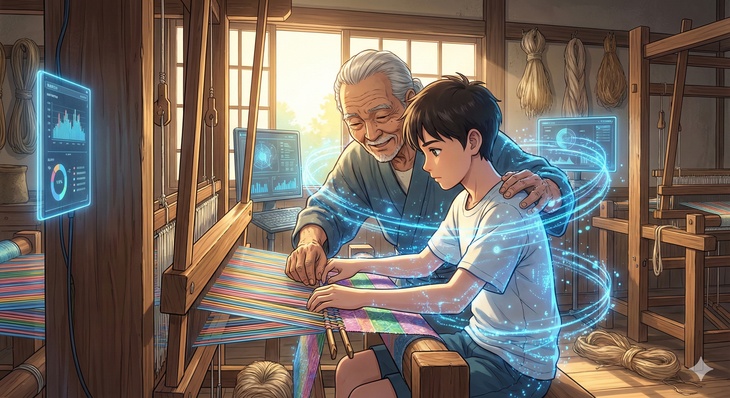
Living Shadows: Preserving Intangible Heritage in a Digital Age
中文翻譯
雖然壯麗的紀念碑和古代遺跡提供了與過去的有形聯繫,但人類一些最珍貴的寶藏卻是看不見的。這些是構成我們「非物質文化遺產」的歌曲、儀式、傳統工藝和口述歷史。與石造建築不同,這些活生生的傳統完全取決於知識從一代到下一代的不斷傳遞。然而,在一個日益全球化的世界中,隨著年輕一代轉向更現代化的生活方式,許多這些獨特的實踐正處於滅絕的邊緣。非物質遺產的保護面臨著一個獨特的悖論。如果一項傳統為了「挽救」它而被凍結在時間裡,它可能會失去讓它對社群具有意義的活力。相反,如果它過度適應商業壓力,它就有失去其真實性的風險。為了應對這一點,聯合國教科文組織等機構正與在地社群合作,確保這些傳統在不被剝削的情況下保持生存能力。重點已從單純記錄這些實踐轉向支持「傳承者」——即維持傳統生命力的大師級工匠和表演者。
數位技術已成為這項努力中的強大盟友。高解析度動作捕捉正被用於存檔複雜的傳統舞蹈,而虛擬實境(VR)則讓全球各地的人們能夠體驗以前無法觸及的沉浸式文化儀式。這些工具並非取代實體體驗,而是作為數位儲存庫來啟發未來的從業者。最終,非物質遺產的生存取決於我們在在地社群中培養自豪感的能力,確保這些祖先的「活影子」能繼續舞向未來。
🔑 重點單字 (Vocabulary)
- intangible adj.. 無形的;非物質的
- ritual n.. 儀式;典禮
- verge n.. 邊緣;瀕臨
- paradox n.. 自相矛盾的情況;悖論
- vibrancy n.. 活力;生機勃勃
- authenticity n.. 真實性;道地
- viable adj.. 可行的;能維持下去的
- repository n.. 儲存庫;存放處
- practitioner n.. 從業者;執業者
- foster v.. 培養;促進
掌握一種語言等於擁有一個新世界
 語言健身房 https://www.langym.com 提供
語言健身房 https://www.langym.com 提供
