
Urbanization, the gradual shift of populations from rural to urban settings, has been a defining characteristic of the modern era. While cities act as engines of economic growth and hubs of cultural innovation, the rapid pace of urban expansion has fundamentally altered the fabric of human social structures. In the transition from tight-knit rural communities to the vast anonymity of the metropolis, individuals often find themselves navigating a complex landscape of increased opportunity coupled with heightened social isolation.
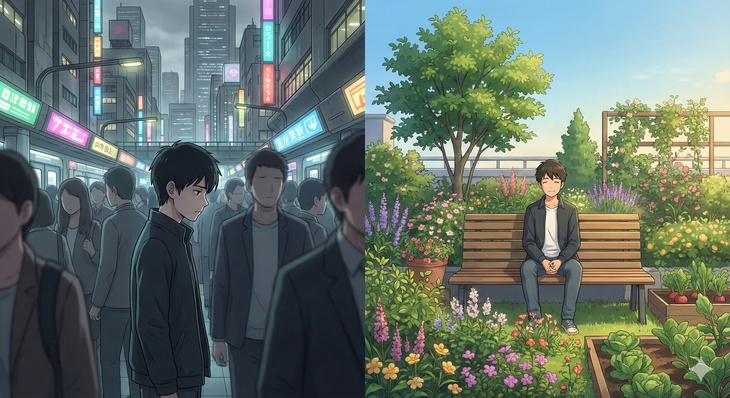
One of the most significant academic concerns regarding urbanization is its impact on psychological well-being. The "urban stress" hypothesis suggests that the constant sensory overload—noise, pollution, and overcrowding—can lead to a higher prevalence of anxiety and depressive disorders among city dwellers. Unlike rural environments, where social support systems are often deeply entrenched, urban life frequently promotes a "transactional" style of interaction. This shift can lead to the erosion of traditional community bonds, leaving individuals to face the pressures of modern life without a robust emotional safety net.
Furthermore, the architectural design of cities plays a paramount role in shaping social behavior. The rise of high-rise living and the decline of public "third places," such as community parks or local squares, have contributed to a phenomenon known as "lonely crowds." Despite being surrounded by millions, many urban residents report a profound lack of meaningful connection. To mitigate these effects, urban planners and sociologists are increasingly advocating for "biophilic design"—integrating nature into the urban environment—to foster resilient communities and improve mental health outcomes. Whether we can successfully reconcile our biological need for connection with our economic drive for urbanization remains the pivotal challenge for future city development.
The Concrete Jungle: Urbanization and Its Sociopsychological Impact
中文翻譯
都市化,即人口從農村逐漸遷移到城市環境的過程,一直是現代社會的一個定義性特徵。雖然城市是經濟增長的引擎和文化創新的中心,但快速的城市擴張步伐已從根本上改變了人類社會結構的織面。在從緊密的農村社區轉向大都市的巨大匿名性過程中,個人往往發現自己正處於一個機遇增加與社會孤立加劇並存的複雜景觀中。關於都市化的一個重要學術關注點是其對心理健康的影響。「城市壓力」假說認為,持續的感官超載——噪音、污染和過度擁擠——可能導致城市居民中焦慮和抑鬱症的盛行率更高。與農村環境中社交支持系統通常根深蒂固的情況不同,城市生活經常促進一種「交易型」的互動模式。這種轉變可能導致傳統社區紐帶的侵蝕,使個人在缺乏強大情感安全網的情況下,獨自面對現代生活的壓力。
此外,城市的建築設計在塑造社交行為方面起著至關重要的作用。高層住宅的興起以及公共「第三空間」(如社區公園或在地廣場)的減少,促成了一種被稱為「孤獨群眾」的現象。儘管身處數百萬人之中,許多城市居民卻報告深感缺乏有意義的聯繫。為了減輕這些影響,城市規劃者和社會學家越來越多地提倡「生物友好設計」——將自然融入城市環境中——以培養具韌性的社區並改善心理健康結果。我們能否成功地將生物學上的聯繫需求與經濟上的都市化動力調和起來,仍是未來城市發展的關鍵挑戰。
🔑 重點單字 (Vocabulary)
- anonymity n.. 匿名;無名狀態
- metropolis n.. 大都市
- prevalence n.. 盛行;普遍
- entrenched adj.. 根深蒂固的
- transactional adj.. 交易型的
- erosion n.. 侵蝕;削弱
- paramount adj.. 至為重要的
- mitigate v.. 減輕;緩和
- resilient adj.. 具韌性的;有恢復力的
- reconcile v.. 調和;使一致
掌握一種語言等於擁有一個新世界
 語言健身房 https://www.langym.com 提供
語言健身房 https://www.langym.com 提供
