
In our fast-paced modern world, sleep is often the first thing people sacrifice to meet work deadlines or social obligations. However, scientific research consistently shows that sleep is not merely a period of rest, but a critical biological process essential for both physical health and mental well-being. During sleep, the brain undergoes a "cleaning" process, flushing out toxins and consolidating memories from the day. Without adequate rest, our cognitive functions, such as problem-solving and emotional regulation, become severely impaired.
The relationship between sleep and mental health is bidirectional. Poor sleep can increase the risk of developing anxiety and depression, while mental health conditions often make it harder to fall asleep. To break this cycle, health experts recommend practicing good "sleep hygiene." This includes maintaining a consistent sleep schedule, even on weekends, and creating a dark, cool, and quiet environment. Furthermore, reducing exposure to blue light from smartphones and computers at least an hour before bed is beneficial, as blue light interferes with the production of melatonin, the hormone responsible for sleep.
Diet and physical activity also play a significant role. Regular exercise can help you fall asleep faster and enjoy deeper sleep, but it is best to avoid vigorous activity right before bedtime. Similarly, avoiding large meals and caffeine in the evening can prevent sleep disruption. By prioritizing sleep, individuals can significantly improve their mood, productivity, and overall quality of life. In a world that never stops moving, learning to rest is one of the most effective ways to stay healthy.
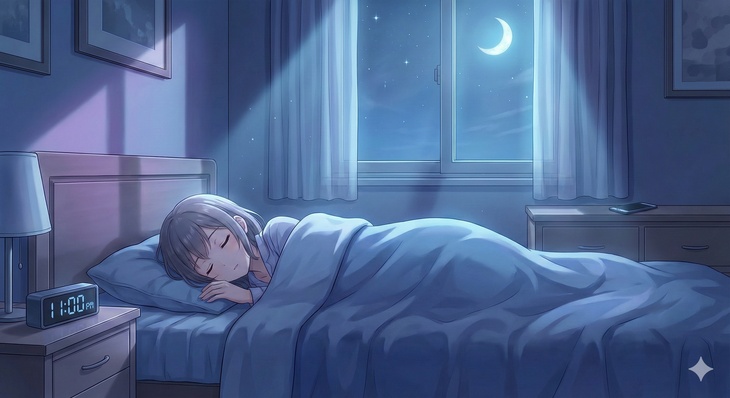
The Science of Sleep and Mental Well-being
中文翻譯
在我們快節奏的現代世界中,睡眠通常是人們為了趕工作截止日期或社交義務而首先犧牲的事。然而,科學研究一致表明,睡眠不僅僅是一段休息時間,更是對生理健康和心理健康至關重要的關鍵生物過程。在睡眠期間,大腦會進行「清理」過程,清除毒素並鞏固當天的記憶。如果沒有足夠的休息,我們的認知功能,如解決問題和情緒調節,會受到嚴重損害。睡眠與心理健康之間的關係是雙向的。睡眠不足會增加患焦慮和憂鬱的風險,而心理健康狀況往往會讓人更難入睡。為了打破這個循環,健康專家建議實踐良好的「睡眠衛生」。這包括維持規律的睡眠時間表(即使在週末),並創造一個黑暗、涼爽且安靜的環境。此外,睡前至少一小時減少接觸智慧型手機和電腦發出的藍光是有益的,因為藍光會干擾褪黑激素(負責睡眠的荷爾蒙)的產生。
飲食和體育活動也起著重要作用。規律運動可以幫助你更快入睡並享受更深層的睡眠,但最好避免在睡前進行劇烈運動。同樣,傍晚避免大餐和咖啡因可以防止睡眠中斷。透過優先考慮睡眠,個人可以顯著改善情緒、生產力和整體生活品質。在一個永不停歇的世界裡,學會休息是保持健康最有效的方法之一。
🔑 重點單字 (Vocabulary)
- impaired adj.. 受損的;受損害的
- beneficial adj.. 有益的;有利的
- disruption n.. 中斷;打斷
- effective adj.. 有效的
- obligation n.. 義務;責任
- consolidate v.. 鞏固;加強
- bidirectional adj.. 雙向的
- melatonin n.. 褪黑激素
- vigorous adj.. 劇烈的;精力充沛的
- prioritize v.. 優先考慮
掌握一種語言等於擁有一個新世界
 語言健身房 https://www.langym.com 提供
語言健身房 https://www.langym.com 提供
