For decades, the global industrial engine has operated on a "linear" model: take, make, and dispose. This traditional approach, while driving unprecedented economic growth, has resulted in a staggering depletion of natural resources and an escalating waste crisis. However, a transformative paradigm shift is currently underway in the corporate world. Forward-thinking enterprises are increasingly abandoning the linear path in favor of a circular economy—a systemic approach designed to eliminate waste and promote the continual use of resources.
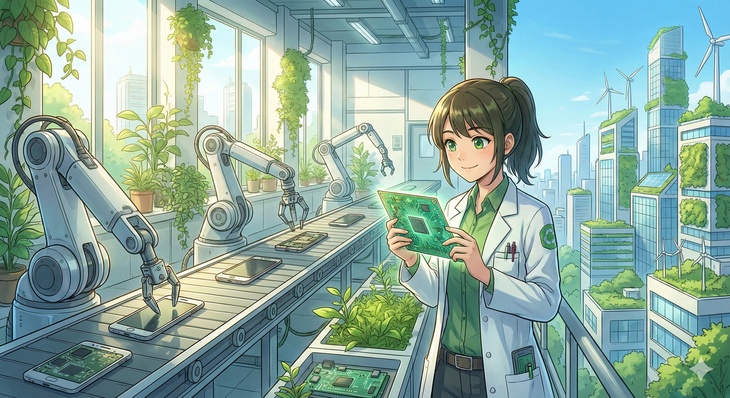
The transition to a circular model requires a fundamental recalibration of product design and supply chain management. Instead of creating products destined for landfills, companies are now engineering goods for longevity, repairability, and eventual recycling. For instance, some technology giants have implemented "buy-back" programs, where old devices are harvested for valuable components and rare earth metals. This not only secures a stable supply of raw materials but also significantly reduces the environmental impact of mining and manufacturing.
Nevertheless, the path to full circularity is fraught with logistical and financial hurdles. Transitioning away from established manufacturing processes requires substantial upfront investment and a radical rethinking of consumer ownership. Many businesses are pivoting toward "service-based" models, where customers pay for the use of a product rather than the product itself. This shift incentivizes manufacturers to create more durable and efficient goods. As regulatory pressure mounts and consumers become more environmentally conscious, the ability to integrate circular principles may determine a company's long-term viability in a resource-constrained world. The goal is clear: to decouple economic growth from resource consumption, ensuring a prosperous yet sustainable future.
Beyond the Bottom Line: The Rise of the Circular Economy
中文翻譯
數十年來,全球工業引擎一直以「線性」模式運作:取用、製造、丟棄。這種傳統方法在推動前所未有的經濟增長的同時,也導致了自然資源的驚人枯竭和不斷加劇的廢棄物危機。然而,企業界目前正在經歷一場轉型性的典範轉移。具有前瞻性的企業正日益放棄線性路徑,轉而支持循環經濟——這是一種旨在消除廢棄物並促進資源持續利用的系統性方法。向循環模式的轉變需要對產品設計和供應鏈管理進行根本性的重新調整。企業現在不再製造注定進入垃圾掩埋場的產品,而是設計具有長壽命、可維修性且最終可回收的商品。例如,一些科技巨頭實施了「回購」計畫,回收舊設備中價值高的零件和稀土金屬。這不僅確保了原物料的穩定供應,也顯著減少了採礦和製造對環境的影響。
儘管量如此,通往完全循環的道路充滿了物流和財務上的障礙。擺脫既有的製造流程需要大量的早期投資,以及對消費者所有權的徹底反思。許多企業正轉向「服務導向」模式,消費者支付的是產品的使用權而非產品本身。這種轉變激勵製造商創造更耐用且高效的商品。隨著監管壓力增加且消費者環保意識提升,整合循環原則的能力可能決定一家企業在資源受限的世界中的長期生存能力。目標很明確:將經濟增長與資源消耗脫鉤,確保一個繁榮且永續的未來。
🔑 重點單字 (Vocabulary)
- unprecedented adj.. 前所未有的
- depletion n.. 消耗;枯竭
- paradigm n.. 典範;範例
- recalibration n.. 重新調整
- longevity n.. 長壽;持久性
- logistical adj.. 物流的;後勤的
- incentivize v.. 激勵;獎勵
- durable adj.. 耐用的
- viability n.. 生存能力;可行性
- decouple v.. 脫鉤;分離
掌握一種語言等於擁有一個新世界
 語言健身房 https://www.langym.com 提供
語言健身房 https://www.langym.com 提供
