
In an age dominated by mass production and digital technology, there's a growing appreciation for traditional crafts. From intricate pottery to hand-woven textiles, these ancient art forms are experiencing a revival as consumers seek unique, handmade items with a story. This trend is not merely about nostalgia; it reflects a deeper desire for authenticity and sustainability in our daily lives. Many young artisans are now learning skills passed down through generations, often blending traditional techniques with contemporary designs.
One significant factor contributing to this resurgence is the internet. Social media platforms have become powerful tools for craftspeople to showcase their work, connect with global customers, and share their creative processes. Online marketplaces allow even remote villages to sell their artisanal products to a worldwide audience, bypassing traditional retail barriers. This digital exposure not only provides economic opportunities but also helps preserve cultural heritage that might otherwise be forgotten.
However, challenges remain. The intensive labor and time required for traditional crafts often make them more expensive than factory-produced goods, limiting their accessibility to a wider market. There's also the risk of cultural appropriation, where traditional designs are used without proper attribution or understanding. To address these issues, many organizations are working to educate consumers about the value of handmade items and to ensure fair trade practices. Ultimately, the future of traditional crafts depends on balancing their artistic integrity with commercial viability, ensuring these timeless skills continue to thrive for generations to come.
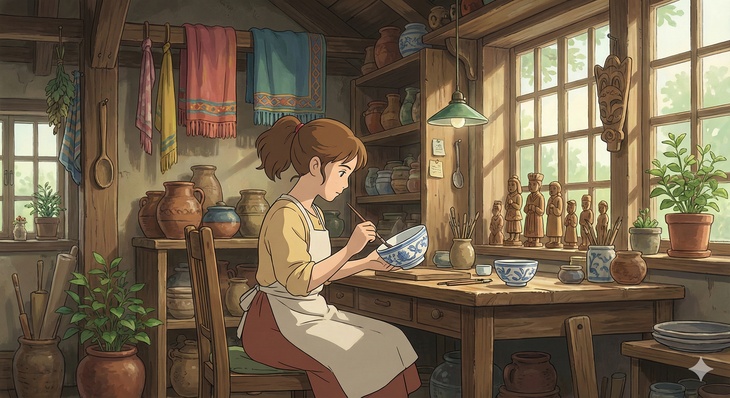
The Revival of Traditional Crafts in a Modern World
中文翻譯
在一個由大規模生產和數位科技主導的時代,人們對傳統工藝的欣賞日益增長。從精緻的陶器到手工編織的紡織品,這些古老藝術形式正在經歷復興,因為消費者尋求有故事的獨特手工藝品。這種趨勢不僅僅是懷舊;它反映了我們日常生活中對真實性和永續性的更深層渴望。許多年輕工匠現在正在學習世代相傳的技能,他們經常將傳統技術與現代設計相結合。促成這種復甦的一個重要因素是網路。社交媒體平台已成為工匠們展示作品、與全球客戶聯繫並分享創作過程的強大工具。線上市場甚至允許偏遠村莊將其手工藝品銷售給全球受眾,繞過了傳統零售障礙。這種數位曝光不僅提供了經濟機會,還有助於保存可能被遺忘的文化遺產。
然而,挑戰依然存在。傳統工藝所需的密集勞動和時間通常使其比工廠生產的商品更昂貴,限制了它們進入更廣泛市場的可及性。還存在文化挪用的風險,即在沒有適當歸屬或理解的情況下使用傳統設計。為了解決這些問題,許多組織正在努力教育消費者關於手工藝品的價值,並確保公平貿易實踐。最終,傳統工藝的未來取決於平衡其藝術完整性與商業可行性,確保這些永恆的技能得以繁榮發展,代代相傳。
🔑 重點單字 (Vocabulary)
- revival n.. 復興;恢復
- barriers n.. 障礙;屏障
- appropriation n.. 挪用;盜用
- thrive v.. 繁榮;興盛
- authenticity n.. 真實性;道地性
- sustainability n.. 永續性
- intricate adj.. 複雜精細的
- resurgence n.. 復甦;再起
- attribution n.. 歸屬;歸因
- viability n.. 可行性;生存能力
掌握一種語言等於擁有一個新世界
 語言健身房 https://www.langym.com 提供
語言健身房 https://www.langym.com 提供
