
In the rapidly evolving digital landscape, the boundary between reality and fabrication is becoming increasingly blurred. The emergence of "deepfakes"—highly realistic synthetic media generated by artificial intelligence—has introduced a formidable challenge to the field of journalism and public discourse. While AI-generated content was once easily identifiable by glitches or unnatural movements, modern algorithms can now produce videos and audio recordings that are virtually indistinguishable from authentic footage. This technological leap has raised urgent concerns about the potential for misinformation to undermine democratic institutions and personal reputations.
For journalists, the rise of deepfakes necessitates a radical shift in verification protocols. Traditional fact-checking is no longer sufficient when the evidence itself can be manipulated with surgical precision. Newsrooms are now investing in specialized forensic tools to analyze file metadata and detect subtle inconsistencies in lighting or blood flow patterns in facial videos. However, as detection technology improves, so do the generative models, leading to a perpetual arms race between those seeking to expose the truth and those intending to obscure it. This environment fosters a "liar’s dividend," where public figures can dismiss genuine evidence of wrongdoing as "fake news," further eroding societal trust.
The implications of this crisis extend beyond the newsroom to the individual consumer. Media literacy is now an essential survival skill in the 21st century. Scholars argue that we must move toward a model of "proactive skepticism," where individuals critically evaluate the source, intent, and emotional triggers of the content they encounter. Educational initiatives are being launched to teach students how to cross-reference information and identify the psychological biases that make them susceptible to sensationalized fabrications. Ultimately, preserving the integrity of truth requires a collaborative effort between technological innovation, rigorous journalistic ethics, and a more discerning public. In an era where seeing is no longer believing, our ability to verify becomes our most crucial defense.
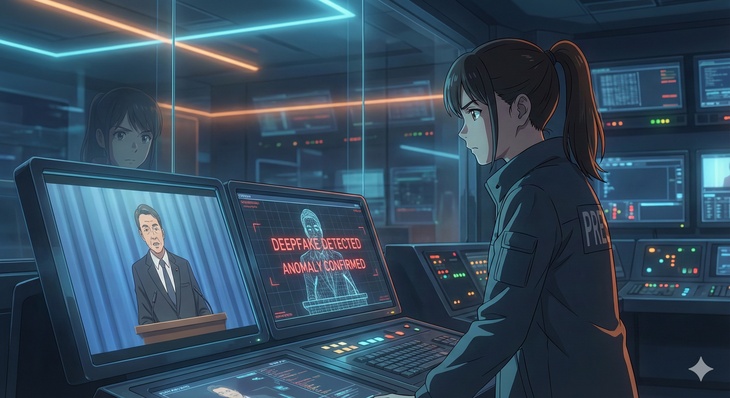
The Mirage of Truth: Journalism in the Era of Deepfakes
中文翻譯
在急速演變的數位景觀中,現實與虛假之間的界限正變得日益模糊。「深偽技術」(Deepfakes)的出現——由人工智能生成的極其逼真的合成媒體——為新聞領域和公共論述帶來了嚴峻的挑戰。雖然人工智能生成的內容曾因小故障或不自然的動作而容易被識別,但現代演算法現在可以製作出與真實片段幾乎無異的影片和音訊。這一技術飛躍引發了人們的迫切擔憂:誤導性資訊可能破壞民主制度並損害個人名譽。對於新聞工作者而言,深偽技術的興起迫使查證流程發生根本性轉變。當證據本身可以被「精確操控」時,傳統的事實查核已不再足夠。新聞編輯室現在正投入專業的鑑定工具,用以分析檔案元數據,並偵測臉部影片中光影或血液流動模式的細微不一致。然而,隨著偵測技術的進步,生成模型也在不斷進化,導致揭露真相者與意圖掩蓋真相者之間陷入了持久的軍備競賽。這種環境催生了「說謊者的紅利」,公眾人物可以將真實的犯罪證據斥為「假新聞」,進一步侵蝕社會信任。
這場危機的影響超出了新聞編輯室,延伸到了個人消費者身上。媒體識讀現在是 21 世紀必備的生存技能。學者認為,我們必須轉向「主動懷疑」的模式,讓個人對所遇到的內容來源、意圖和「情緒觸發因素」進行批判性評估。相關教育計畫正相繼啟動,教導學生如何交叉比對資訊,並識別使他們「易受」煽情偽造內容影響的心理偏誤。最終,維護真相的完整性需要技術創新、嚴謹的新聞倫理以及更具「辨別力」的公眾之間的協作。在一個「眼見不一定為憑」的時代,我們的查證能力成為了我們最「關鍵」的防禦。
🔑 重點單字 (Vocabulary)
- fabrication n.. 捏造;偽造物
- formidable adj.. 艱巨的;強大的
- authentic adj.. 真實的;可靠的
- manipulate v.. 操縱;控制
- perpetual adj.. 永久的;不斷的
- obscure v.. 掩蓋;使模糊
- trigger n.. 觸發因素;誘因
- susceptible adj.. 易受影響的
- discerning adj.. 有辨別能力的
- crucial adj.. 至關重要的
掌握一種語言等於擁有一個新世界
 語言健身房 https://www.langym.com 提供
語言健身房 https://www.langym.com 提供
