
In the twenty-first century, the world has become deeply interconnected. While this globalization has brought economic growth and cultural exchange, it has also made nations more vulnerable to distant conflicts. Geopolitical tension, once considered a matter only for diplomats and military leaders, now directly affects the daily lives of ordinary citizens. From disrupted supply chains to rising inflation, the repercussions of instability are felt globally.
One of the most immediate consequences of geopolitical conflict is economic instability. Modern manufacturing relies on a complex web of global suppliers. When trade routes are blocked or sanctions are imposed due to political disputes, the flow of goods is interrupted. This often leads to a shortage of essential items, ranging from computer chips to grain. Consequently, prices skyrocket, causing inflation that erodes the purchasing power of families worldwide. For instance, a disagreement between two major energy-exporting nations can instantly trigger a spike in gas and electricity prices in countries thousands of miles away.
Beyond economics, geopolitical tension creates a significant humanitarian crisis. As conflicts escalate, millions of people are forced to flee their homes in search of safety. This mass migration challenges the infrastructure and social services of host countries, occasionally leading to internal social friction. Furthermore, the psychological impact on the global population cannot be overlooked. The constant barrage of alarming news on social media fosters a sense of anxiety and helplessness. People are increasingly aware that peace is fragile and that a decision made by a foreign government can abruptly alter their future.
Despite these challenges, there is a glimmer of hope. The shared burden of these crises highlights the urgent need for international cooperation. Nations are beginning to realize that isolationism is no longer a viable strategy. Diplomacy and dialogue remain the most effective tools for resolving disputes before they turn into open conflict. Ultimately, recognizing our shared vulnerability may be the catalyst that drives the world toward a more stable and peaceful coexistence.
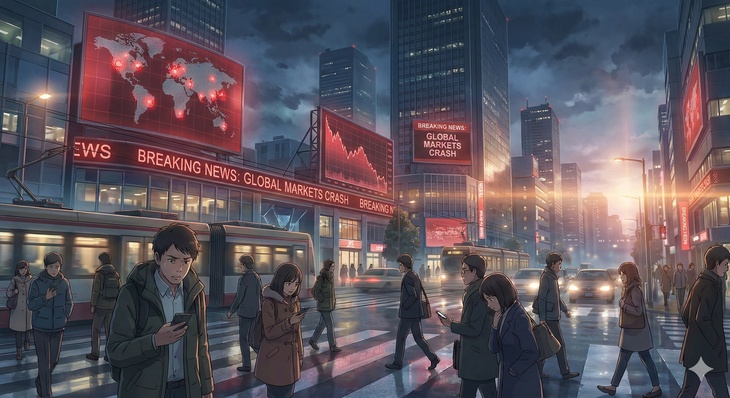
The Rising Impact of Geopolitical Tension on Modern Society
中文翻譯
在二十一世紀,世界已變得緊密相連。雖然這種全球化帶來了經濟增長和文化交流,但也使各國更容易受到遠方衝突的影響。地緣政治緊張局勢,曾經被認為只是外交官和軍事領袖的事,現在卻直接影響著普通公民的日常生活。從供應鏈中斷到通貨膨脹加劇,不穩定的後果在全球範圍內都能感受到。地緣政治衝突最直接的後果之一是經濟不穩定。現代製造業依賴於複雜的全球供應商網絡。當貿易路線因政治爭端而被封鎖或實施制裁時,貨物的流通就會中斷。這通常導致從電腦晶片到穀物等必需品的短缺。結果,價格飆升,引發通貨膨脹,侵蝕全球家庭的購買力。例如,兩個主要能源出口國之間的分歧可能會瞬間引發數千英里外國家的天然氣和電力價格飆升。
除了經濟之外,地緣政治緊張局勢還造成了重大的在人道主義危機。隨著衝突升級,數百萬人被迫逃離家園尋求安全。這種大規模移民挑戰了接收國的基礎設施和社會服務,有時會導致內部的社會摩擦。此外,對全球人口的心理影響也不容忽視。社交媒體上不斷出現的驚人新聞助長了焦慮和無助感。人們越來越意識到和平是脆弱的,外國政府做出的決定可能會突然改變他們的未來。
儘管面臨這些挑戰,但也有一線希望。這些危機帶來的共同負擔凸顯了國際合作的迫切需要。各國開始意識到孤立主義不再是可行的策略。外交和對話仍然是在爭端演變為公開衝突之前解決爭端的最有效工具。最終,認識到我們共同的脆弱性可能是推動世界走向更穩定和和平共存的催化劑。
🔑 重點單字 (Vocabulary)
- tension n.. 緊張局勢;張力
- vulnerable adj.. 易受傷害的;脆弱的
- repercussion n.. (通常指不好的)反響;後果
- instability n.. 不穩定
- impose v.. 強制實行;推行
- inflation n.. 通貨膨脹
- escalate v.. 升級;惡化
- infrastructure n.. 基礎建設
- fragile adj.. 脆弱的;易碎的
- diplomacy n.. 外交;交際手段
- catalyst n.. 催化劑;促進因素
- coexistence n.. 共存
掌握一種語言等於擁有一個新世界
 語言健身房 https://www.langym.com 提供
語言健身房 https://www.langym.com 提供
