
The correlation between macroeconomic indicators and consumer behavior is complex and multifaceted. At its core, the economic health of a nation dictates the discretionary income available to households, thereby serving as the primary driver of spending patterns. When an economy flourishes, characterized by low unemployment and robust GDP growth, consumer confidence inevitably surges. This psychological state, often referred to as positive consumer sentiment, encourages individuals to loosen their purse strings, venturing beyond essential purchases to acquire luxury goods and services. The "wealth effect" further amplifies this trend; as asset prices such as real estate and stocks rise, consumers perceive themselves as wealthier and demonstrate a higher propensity to consume.
Conversely, an economic downturn precipitates a starkly different behavioral response. In times of high inflation or recession, the erosion of purchasing power forces a recalibration of household budgets. Consumers become increasingly price-sensitive, often engaging in "trading down" substituting premium brands for generic or private-label alternatives. However, this does not imply a complete cessation of spending. Economists have long observed the "lipstick effect," a phenomenon where consumers facing financial austerity still indulge in affordable luxuries to maintain morale, even while foregoing large-ticket items like vehicles or vacations.
Furthermore, economic instability often triggers a paradox of thrift. Fearing future financial uncertainty, individuals may increase their savings rate precisely when the economy needs spending to stimulate growth. This defensive posture can exacerbate an economic slowdown, creating a feedback loop that policymakers struggle to break. Additionally, interest rate fluctuations significantly influence behavior; high rates deter borrowing for mortgages and automobiles, effectively cooling demand in these key sectors.
In conclusion, understanding the economic undercurrents that shape consumer decisions is imperative for businesses. Companies cannot remain static; they must anticipate these macroeconomic shifts and adapt their pricing, marketing, and product strategies accordingly. Those who fail to decipher the signals of the broader economy risk obsolescence in an ever-evolving marketplace.
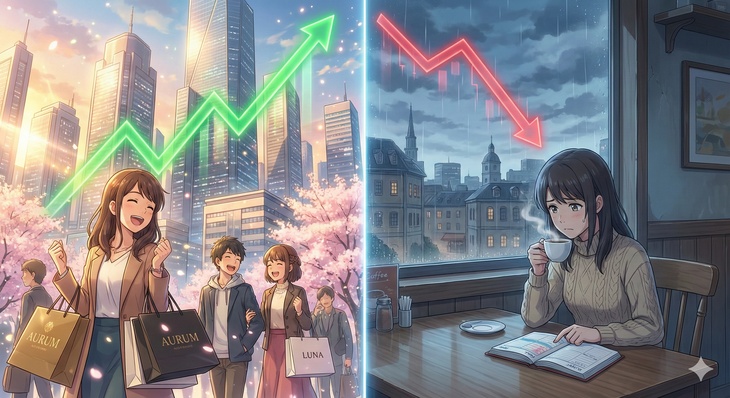
Analyzing Economy impacting Consumer Behavior
中文翻譯
宏觀經濟指標與消費者行為之間的相關性是複雜且多方面的。其核心在於,一個國家的經濟健康狀況決定了家庭可用的可支配收入,從而成為消費模式的主要驅動力。當經濟繁榮,特徵是低失業率和強勁的 GDP 增長時,消費者信心不可避免地會飆升。這種心理狀態,通常被稱為積極的消費者情緒,鼓勵個人放寬錢包,在基本購買之外,購買奢侈品和服務。「財富效應」進一步放大了這一趨勢;隨著資產價格(如房地產和股票)上漲,消費者認為自己更富有,並表現出更高的消費傾向。相反,經濟低迷會引發截然不同的行為反應。在高通膨或衰退時期,購買力的侵蝕迫使家庭預算重新校準。消費者對價格越來越敏感,經常進行「消費降級」——用通用或自有品牌替代品取代高價品牌。然而,這並不意味著消費完全停止。經濟學家早就觀察到了「口紅效應」,即面臨財政緊縮的消費者仍然會沉迷於負擔得起的奢侈品以維持士氣,即使他們放棄了車輛或度假等大額商品。
此外,經濟不穩定往往會引發節儉悖論。由於擔心未來的財務不確定性,個人可能會在經濟需要消費來刺激增長時增加儲蓄率。這種防禦姿態可能會加劇經濟放緩,造成決策者難以打破的反饋循環。此外,利率波動顯著影響行為;高利率阻止了抵押貸款和汽車的借貸,有效地冷卻了這些關鍵領域的需求。
總之,了解塑造消費者決策的經濟暗流對企業來說至關重要。公司不能保持靜態;他們必須預測這些宏觀經濟變化,並相應地調整其定價、營銷和產品策略。那些未能解讀更廣泛經濟信號的人,面臨在不斷變化的市場中被淘汰的風險。
🔑 重點單字 (Vocabulary)
- discretionary adj.. (資金)可自由支配的;任意的
- sentiment n.. 情緒;觀點;意見
- propensity n.. 傾向;習性
- recalibration n.. 重新校準;調整
- austerity n.. 緊縮;樸素;苦行
- exacerbate v.. 使惡化;加劇
- imperative adj.. 極重要的;迫切的
- flourish v.. 繁榮;興旺
- cessation n.. 停止;中斷
- obsolescence n.. 過時;淘汰
- multifaceted adj.. 多面向的
- precipitate v.. 促成;加速導致
掌握一種語言等於擁有一個新世界
 語言健身房 https://www.langym.com 提供
語言健身房 https://www.langym.com 提供
