
Dance is often called a universal language. Long before people could write or even speak complex sentences, they likely used their bodies to communicate. Across the world, dance has evolved from simple religious rituals into a rich variety of art forms that express human emotion and identity. Understanding this evolution helps us appreciate the deep connection between movement and culture.
In ancient times, dance was primarily used for spiritual reasons. Tribes in Africa and Native Americans in North America performed dances to honor their gods, ask for rain, or prepare for war. These dances were not just for entertainment; they were essential ceremonies that brought the community together. Every movement had a specific meaning, passed down from one generation to the next.
As societies became more structured, dance began to change. In Europe during the Renaissance, dance moved from the village square to the royal courts. This led to the birth of ballet, a style known for its graceful and precise movements. Ballet was very formal and required years of strict training. It was a way for the upper class to display elegance and wealth. Meanwhile, in Asia, traditional dances like those in India and China remained deeply connected to storytelling and history, often using elaborate costumes and hand gestures to act out myths.
In the 20th century, a major shift occurred. Dancers began to break the strict rules of the past. Modern dance and jazz emerged, focusing on freedom and personal expression rather than rigid technique. Artists wanted to show real human emotions, including sadness and anger, through their movements.
Today, thanks to the internet and globalization, dance styles from different cultures are mixing. It is common to see a hip-hop dancer incorporating moves from martial arts, or a ballet performance set to electronic music. This fusion creates unique styles that belong to the whole world. Despite these changes, the core purpose of dance remains the same: it is a powerful way to celebrate life and connect with others.
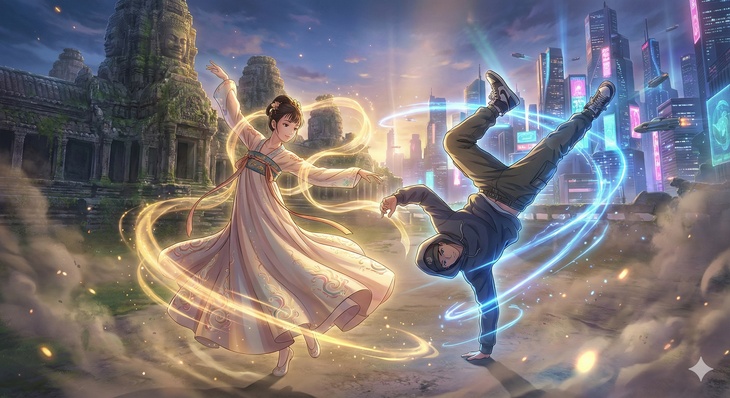
The Evolution of Dance Across Cultures
中文翻譯
舞蹈常被稱為一種通用語言。在人類能書寫甚至說出複雜句子之前,他們很可能就用身體來溝通了。在世界各地,舞蹈已從簡單的宗教儀式演變成豐富多樣的藝術形式,表達人類的情感和身分認同。了解這種演變有助於我們欣賞動作與文化之間的深層聯繫。在古代,舞蹈主要用於精神原因。非洲部落和北美原住民透過舞蹈來敬神、祈雨或為戰爭做準備。這些舞蹈不僅是為了娛樂;它們是凝聚社區的重要儀式。每一個動作都有特定的含義,代代相傳。
隨著社會結構變得更加嚴謹,舞蹈開始改變。在文藝復興時期的歐洲,舞蹈從村莊廣場轉移到了皇家宮廷。這導致了芭蕾舞的誕生,這是一種以優雅和精確動作聞名的風格。芭蕾舞非常正式,需要多年的嚴格訓練。這是上層階級展示優雅和財富的一種方式。同時,在亞洲,像印度和中國這樣的傳統舞蹈仍然與說書和歷史緊密相連,通常使用精緻的服裝和手勢來演繹神話。
在 20 世紀,發生了重大轉變。舞者開始打破過去的嚴格規則。現代舞和爵士樂興起,專注於自由和個人表達,而不是僵化的技巧。藝術家想透過他們的動作展現真實的人類情感,包括悲傷和憤怒。
今天,多虧了網路和全球化,來自不同文化的舞蹈風格正在融合。看到嘻哈舞者融入武術動作,或是配上電子音樂的芭蕾舞表演是很常見的。這種融合創造了屬於全世界的獨特風格。儘管有這些變化,舞蹈的核心目的仍然相同:它是慶祝生活和與他人聯繫的強大方式。
🔑 重點單字 (Vocabulary)
- universal adj.. 普遍的;全世界的
- communicate v.. 溝通;傳達
- evolve v.. 演變;進化
- spiritual adj.. 精神上的;心靈的
- ceremony n.. 儀式;典禮
- generation n.. 世代
- graceful adj.. 優雅的
- formal adj.. 正式的;拘謹的
- elaborate adj.. 精心製作的;複雜的
- expression n.. 表達;表情
- rigid adj.. 嚴格的;死板的
- incorporate v.. 包含;將...併入
掌握一種語言等於擁有一個新世界
 語言健身房 https://www.langym.com 提供
語言健身房 https://www.langym.com 提供
