
As the global population increasingly gravitates toward metropolitan centers, urbanization has become one of the defining characteristics of the 21st century. While this shift offers economic opportunities, it simultaneously presents complex challenges to public health. The concentration of people in urban environments can exacerbate existing health issues and create new ones, making the role of urban healthcare systems more critical than ever. It is no longer sufficient for hospitals to merely treat illness; they must become integral players in building resilient, healthy communities.
One of the primary concerns accompanying rapid urbanization is the rise of sedentary lifestyles. City living often encourages physical inactivity due to reliance on transportation systems and desk-bound jobs. This trend has led to a surging prevalence of chronic conditions such as obesity, diabetes, and cardiovascular diseases. Consequently, urban healthcare must pivot from a purely curative model to a preventive one. This involves advocating for green spaces, walkable city designs, and public fitness initiatives that integrate health into the daily fabric of urban life.
Furthermore, environmental factors in densely populated areas, such as air pollution and noise, pose significant risks. Respiratory ailments and mental health disorders are increasingly common in concrete jungles. Healthcare providers are now tasked with addressing these environmental determinants of health. This requires a multidisciplinary approach, where medical professionals collaborate with urban planners to mitigate pollution and design environments that foster mental well-being.
Another pressing issue is health inequity. Urbanization often leads to socioeconomic disparities, resulting in "medical deserts" within cities where vulnerable populations lack access to quality care. A robust urban healthcare system must address these gaps by ensuring equitable distribution of resources. Telemedicine and mobile health clinics are emerging as vital tools to reach underserved communities, breaking down geographical and financial barriers.
In conclusion, the role of urban healthcare is undergoing a profound transformation. It is expanding beyond the walls of the clinic to encompass social advocacy, environmental stewardship, and technological innovation. To thrive amidst urbanization, healthcare systems must be agile and inclusive, ensuring that the cities of the future are not just economic hubs, but sanctuaries of health and vitality.
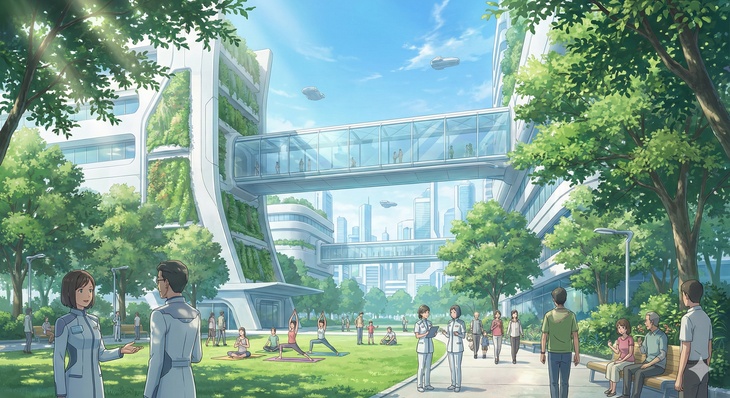
The Role of Urban Healthcare amidst Urbanization
中文翻譯
隨著全球人口日益向大都市中心聚集,都市化已成為 21 世紀的決定性特徵之一。雖然這種轉變提供了經濟機會,但也同時給公共衛生帶來了複雜的挑戰。人口在城市環境中的集中可能會加劇現有的健康問題並產生新的問題,這使得城市醫療保健系統的作用比以往任何時候都更加關鍵。醫院僅僅治療疾病已不再足夠;它們必須成為建立有彈性、健康社區不可或缺的參與者。伴隨快速都市化的主要擔憂之一是久坐生活方式的興起。由於依賴交通系統和辦公桌工作,城市生活往往助長身體缺乏活動。這一趨勢導致肥胖、糖尿病和心血管疾病等慢性病的盛行率飆升。因此,城市醫療保健必須從純粹的治療模式轉向預防模式。這包括倡導綠色空間、步行城市設計和將健康融入城市生活日常結構的公共健身計劃。
此外,人口稠密地區的環境因素,如空氣污染和噪音,構成了重大風險。呼吸道疾病和心理健康障礙在水泥叢林中越來越常見。醫療保健提供者現在的任務是解決這些健康的環境決定因素。這需要一種跨學科的方法,醫療專業人員與城市規劃者合作,以減輕污染並設計促進心理健康的環境。
另一個緊迫的問題是健康不平等。都市化往往導致社會經濟差距,導致城市內出現「醫療沙漠」,弱勢群體缺乏獲得優質護理的途徑。強大的城市醫療保健系統必須透過確保資源的公平分配來解決這些差距。遠距醫療和行動醫療診所正在成為接觸服務不足社區的重要工具,打破地理和財務障礙。
總之,城市醫療保健的作用正在經歷深刻的轉變。它正在擴展到診所牆壁之外,涵蓋社會倡議、環境管理和技術創新。為了在都市化中蓬勃發展,醫療保健系統必須敏捷且具包容性,確保未來的城市不僅是經濟中心,也是健康和活力的避難所。
🔑 重點單字 (Vocabulary)
- exacerbate v.. 使惡化;加劇
- sedentary adj.. 久坐的;缺乏運動的
- prevalence n.. 盛行;普遍;流行率
- preventive adj.. 預防的
- multidisciplinary adj.. 跨學科的;多種專業的
- mitigate v.. 減輕;緩和
- inequity n.. 不公平;不公正
- equitable adj.. 公平的;公正的
- agile adj.. 敏捷的;靈活的
- stewardship n.. 管理工作;管家職責
- resilient adj.. 有彈性的;適應力強的
- determinant n.. 決定因素
掌握一種語言等於擁有一個新世界
 語言健身房 https://www.langym.com 提供
語言健身房 https://www.langym.com 提供
