
When we think of diplomacy, we often imagine serious men in suits shaking hands in fancy rooms. While this traditional image is still partly true, the world of diplomacy is changing fast. In the 21st century, how countries communicate and solve problems is evolving due to technology and new global challenges. The future of diplomacy is becoming more digital, public, and cooperative.
One of the biggest changes is the rise of "digital diplomacy." In the past, negotiations took months and happened in secret. Today, leaders can communicate instantly through social media platforms like Twitter (X) or Facebook. This allows them to speak directly to citizens of other countries. However, this speed also brings risks. A single misunderstood message can cause anger or confusion very quickly. Therefore, modern diplomats must be very careful with their words online.
Another important trend is the focus on global issues that no single country can solve alone. Problems like climate change, pandemics, and internet safety require international cooperation. In the future, diplomacy will not just be about preventing wars but about finding solutions to save the planet. Countries will need to share resources and scientific knowledge more than ever before.
Furthermore, "soft power" is becoming more essential. Soft power is the ability to influence others through culture and values rather than military force. For example, music, movies, and food can help build friendship between nations. Young people are playing a huge role in this. Through study exchange programs and the internet, they are building bridges across cultures.
In conclusion, the future of diplomacy is dynamic and exciting. It involves not only government officials but also ordinary citizens and technology. To succeed in this new era, we must be open-minded and ready to listen to different perspectives. The goal remains the same: to create a peaceful and prosperous world for everyone.
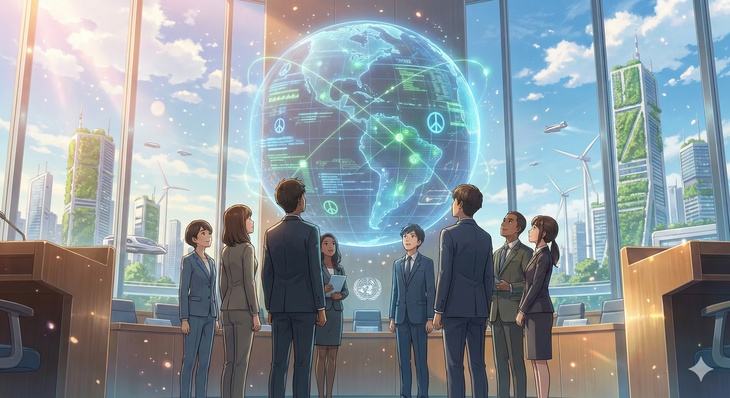
The Future of Diplomacy Today
中文翻譯
當我們想到外交時,我們通常會想像穿著西裝的嚴肅男士在豪華的房間裡握手。雖然這種傳統形象在一定程度上仍然是真實的,但外交世界正在迅速改變。在 21 世紀,由於科技和新的全球挑戰,國家之間溝通和解決問題的方式正在演變。外交的未來正變得更加數位化、公開化和合作化。最大的變化之一是「數位外交」的興起。過去,談判需要數月時間且秘密進行。如今,領導人可以透過 Twitter (X) 或 Facebook 等社群媒體平台即時溝通。這使他們能夠直接與其他國家的公民對話。然而,這種速度也帶來了風險。一條被誤解的訊息可能會很快引起憤怒或困惑。因此,現代外交官在網上的用詞必須非常謹慎。
另一個重要趨勢是關注任何單一國家都無法獨自解決的全球性議題。氣候變遷、流行病和網路安全等問題需要國際合作。未來,外交不僅是為了防止戰爭,更是為了尋找拯救地球的解決方案。各國將比以往任何時候都更需要共享資源和科學知識。
此外,「軟實力」正變得越來越重要。軟實力是指透過文化和價值觀而非軍事力量來影響他人的能力。例如,音樂、電影和食物可以幫助建立國與國之間的友誼。年輕人在這方面扮演著巨大的角色。透過交換學生計畫和網路,他們正在跨越文化建立橋樑。
總之,外交的未來是充滿活力且令人興奮的。它不僅涉及政府官員,還涉及普通公民和科技。要在這個新時代取得成功,我們必須心胸開闊,準備好傾聽不同的觀點。目標依然不變:為每個人創造一個和平繁榮的世界。
🔑 重點單字 (Vocabulary)
- diplomacy n.. 外交;交際手段
- evolve v.. 演變;進化
- negotiation n.. 談判;協商
- instantly adv.. 立即地;即刻地
- misunderstood adj.. 被誤解的
- cooperation n.. 合作
- resource n.. 資源
- essential adj.. 必要的;不可或缺的
- military adj.. 軍事的
- perspective n.. 觀點;視角
- prosperous adj.. 繁榮的;富裕的
- dynamic adj.. 充滿活力的;動態的
掌握一種語言等於擁有一個新世界
 語言健身房 https://www.langym.com 提供
語言健身房 https://www.langym.com 提供
