
Demographic shifts are reshaping the world in profound ways. From aging populations in developed nations to the mass displacement of people due to conflict and climate change, these trends present significant challenges for governments and societies. While economists often focus on the financial implications of these changes, it is crucial to view them through the lens of human rights. Ensuring that the rights of all individuals are protected is not just a moral obligation; it is essential for social stability and sustainable development.
One of the most visible demographic changes is migration. Millions of people are on the move, seeking safety or better opportunities. Human rights law mandates that migrants, refugees, and asylum seekers must be treated with dignity. This includes protection from discrimination, access to healthcare, and the right to seek employment. When countries ignore these rights, it often leads to social unrest and the marginalization of vulnerable groups. Conversely, policies that promote integration and respect diversity can turn migration into a demographic dividend, boosting economic growth and cultural richness.
Another critical aspect is the global phenomenon of aging. As life expectancy increases and birth rates decline in many regions, the proportion of elderly citizens is rising. This shift raises questions about the right to social security and adequate standard of living. Older persons have the right to live independently and participate in their communities without facing ageism. Governments must adapt their infrastructure and pension systems to ensure that the elderly are not left behind, recognizing their lifelong contributions to society.
Furthermore, demographic policies regarding fertility rates must respect reproductive rights. Attempts to control population growth—whether to increase or decrease it—must not violate individual freedoms. Coercive measures are incompatible with international human rights standards. Instead, creating supportive environments where families can make informed choices is the most effective approach.
In conclusion, demographic shifts are inevitable, but their outcomes are not. By placing human rights at the center of demographic policies, nations can navigate these transitions effectively. Whether dealing with migration or an aging workforce, the goal must be to build inclusive societies where every person, regardless of age or origin, is valued and protected.
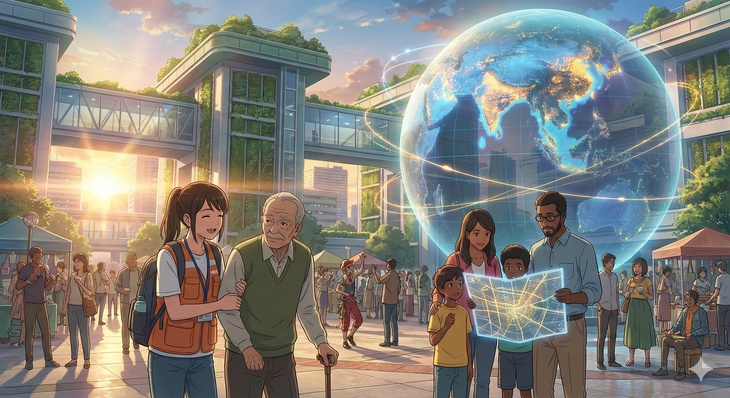
The Role of Human Rights in Demographic Shifts
中文翻譯
人口結構的變化正在深刻地重塑世界。從已開發國家的人口老化到因衝突和氣候變遷造成的大規模人口流離失所,這些趨勢對政府和社會構成了重大挑戰。雖然經濟學家經常關注這些變化的財務影響,但透過人權的視角來看待它們至關重要。確保所有個人的權利受到保護不僅是道德義務;這對於社會穩定和永續發展也是必不可少的。最明顯的人口變化之一是移民。數以百萬計的人正在流動,尋求安全或更好的機會。人權法規定,必須有尊嚴地對待移民、難民和尋求庇護者。這包括免受歧視的保護、獲得醫療保健的權利以及尋求就業的權利。當國家忽視這些權利時,往往會導致社會動盪和弱勢群體的邊緣化。相反,促進融合和尊重多樣性的政策可以將移民轉化為人口紅利,促進經濟增長和文化豐富性。
另一個關鍵方面是全球老化現象。隨著許多地區的平均壽命延長和出生率下降,老年公民的比例正在上升。這種轉變引發了關於社會保障權和適當生活水準的問題。老年人有權獨立生活並參與社區,而不面臨年齡歧視。政府必須調整其基礎設施和養老金制度,以確保老年人不會被拋在後面,並認可他們對社會的終身貢獻。
此外,關於生育率的人口政策必須尊重生殖權利。控制人口增長的嘗試——無論是增加還是減少——都不得侵犯個人自由。強制性措施與國際人權標準不相容。相反,創造支持性環境,讓家庭能夠做出明智的選擇,才是最有效的方法。
總之,人口結構變化是不可避免的,但其結果並非如此。透過將人權置於人口政策的核心,各國可以有效地駕馭這些轉變。無論是處理移民問題還是勞動力老化問題,目標都必須是建立包容性社會,讓每個人,無論年齡或出身,都受到重視和保護。
🔑 重點單字 (Vocabulary)
- demographic adj.. 人口統計的;人口結構的
- displacement n.. 流離失所;被迫遷徙
- implication n.. 影響;含義
- obligation n.. 義務;責任
- mandate v.. 命令;規定
- marginalization n.. 邊緣化
- integration n.. 整合;融合
- dividend n.. 紅利;效益
- ageism n.. 年齡歧視
- coercive adj.. 強制的;脅迫的
- inevitable adj.. 不可避免的
- inclusive adj.. 包容的;包含的
掌握一種語言等於擁有一個新世界
 語言健身房 https://www.langym.com 提供
語言健身房 https://www.langym.com 提供
