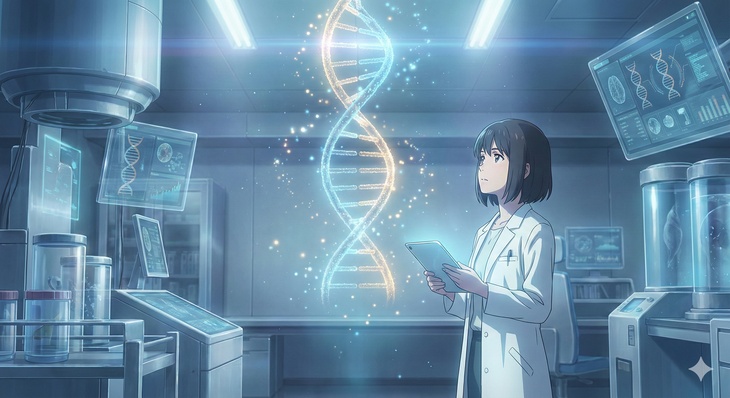
Gene editing is one of the most exciting breakthroughs in modern science. Imagine being able to fix a broken machine by simply replacing a small part. This is similar to what gene editing does for the human body. Scientists use a technology called CRISPR, which acts like a pair of molecular scissors. It allows them to cut and change DNA, the set of instructions that tells our bodies how to grow and function. While this technology offers hope for curing serious illnesses, it also brings significant challenges and ethical questions.
The biggest benefit of gene editing is its potential to cure genetic diseases. For example, some people are born with blood disorders or muscle problems because of a small error in their DNA. With gene editing, doctors could correct this error before a baby is born or even in adults. This could save millions of lives and reduce suffering.
However, the technology is not perfect yet. One major concern is safety. Sometimes, the "scissors" might cut the wrong part of the DNA. This is known as an "off-target" effect. If this happens, it could cause new health problems, such as cancer, instead of fixing the original one. Scientists need to make sure the process is 100% precise before it is used widely on humans.
Beyond safety, there are serious ethical debates. If we can edit genes to cure diseases, should we also use it to change how people look or how smart they are? Some people worry about "designer babies," where parents choose their child's eye color, height, or intelligence. This could lead to a world where only rich people can afford to have "perfect" children, creating a huge gap between the rich and the poor.
In conclusion, the gene editing revolution holds great promise for the future of medicine. It could end many terrible diseases. However, we must be very careful. We need strong rules and open discussions to ensure that this powerful tool is used safely and fairly for everyone.
The Challenges of Gene Editing Revolution
中文翻譯
基因編輯是現代科學中最令人興奮的突破之一。想像一下,只需更換一個小零件就能修復一台壞掉的機器。這與基因編輯對人體的作用相似。科學家使用一種稱為 CRISPR 的技術,它的作用就像一把分子剪刀。它允許他們切割和改變 DNA,即告訴我們身體如何生長和運作的一組指令。雖然這項技術為治癒嚴重疾病帶來了希望,但它也帶來了重大挑戰和倫理問題。基因編輯最大的好處是它有潛力治癒遺傳性疾病。例如,有些人因為 DNA 中的一個小錯誤,生來就患有血液疾病或肌肉問題。透過基因編輯,醫生可以在嬰兒出生前甚至在成人身上糾正這個錯誤。這可以挽救數百萬人的生命並減少痛苦。
然而,這項技術尚未完美。一個主要的擔憂是安全性。有時,「剪刀」可能會剪錯 DNA 的部分。這被稱為「脫靶」效應。如果發生這種情況,它可能會導致新的健康問題,例如癌症,而不是修復原本的問題。科學家需要確保該過程百分之百精確,然後才能廣泛應用於人類。
除了安全性之外,還有嚴重的倫理辯論。如果我們可以編輯基因來治癒疾病,我們是否也應該用它來改變人們的外貌或智力?有些人擔心「訂製嬰兒」,即父母選擇孩子的眼睛顏色、身高或智力。這可能會導致一個只有富人才能生出「完美」孩子的世界,從而在貧富之間造成巨大的鴻溝。
總之,基因編輯革命對醫學的未來充滿希望。它可以終結許多可怕的疾病。然而,我們必須非常小心。我們需要強有力的規則和公開的討論,以確保這一強大的工具對每個人都能安全、公平地使用。
🔑 重點單字 (Vocabulary)
- revolution n.. 革命;巨大變革
- breakthrough n.. 突破;重大進展
- modify v.. 修改;更改
- instruction n.. 指令;說明
- genetic adj.. 基因的;遺傳的
- potential n. / adj.. 潛力;可能的
- disorder n.. 失調;疾病
- precise adj.. 精確的;準確的
- ethical adj.. 倫理的;道德的
- afford v.. 負擔得起
- gap n.. 差距;鴻溝
- ensure v.. 確保;保證
掌握一種語言等於擁有一個新世界
 語言健身房 https://www.langym.com 提供
語言健身房 https://www.langym.com 提供
