
The trajectory of technological evolution has shifted dramatically from the mechanization of physical labor to the automation of mental processes. This emerging paradigm is known as Cognitive Automation. Unlike traditional Robotic Process Automation (RPA), which strictly follows pre-programmed rules to perform repetitive tasks, cognitive automation leverages Artificial Intelligence (AI) and Machine Learning (ML) to mimic human thought processes. It possesses the capability to handle unstructured data, engage in pattern recognition, and even make complex decisions based on incomplete information.
In the corporate sphere, the implications are profound. Cognitive bots can process vast amounts of information such as emails, natural language documents, and images that were previously readable only by humans. For instance, in the financial sector, these systems can analyze market trends and assess credit risks with a speed and accuracy that far exceeds human capacity. By taking over these laborious data-crunching responsibilities, cognitive automation allows human professionals to pivot toward more strategic and creative roles. It does not merely replace labor; it augments human potential by removing the burden of mundane administrative work.
However, the integration of thinking machines into the workforce is not without its perils. There is a legitimate concern regarding the displacement of white-collar jobs. Roles that rely heavily on data processing and routine analysis are particularly vulnerable. Consequently, the workforce of the future must prioritize "soft skills" such as emotional intelligence, complex problem-solving, and ethical judgment areas where algorithms still fall short. Education systems will need to undergo a radical transformation to prepare future generations for a symbiotic relationship with these intelligent systems.
Furthermore, ethical governance is paramount. As we delegate decision-making power to algorithms, we must ensure transparency and accountability. "Black box" AI, where the reasoning behind a decision is opaque, poses a risk to fairness and justice. Therefore, establishing a framework for "explainable AI" is essential.
In conclusion, cognitive automation represents a significant leap forward in our technological capability. It promises a future of unprecedented efficiency and innovation. Yet, to fully realize this potential without social upheaval, we must navigate the transition with foresight, ensuring that technology serves to elevate the human condition rather than diminish it.
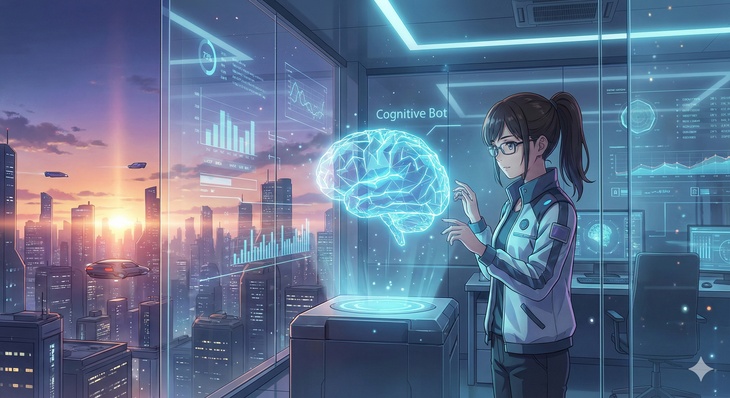
The Role of Cognitive Automation in the Future
中文翻譯
技術演進的軌跡已從體力勞動的機械化急劇轉變為心智過程的自動化。這種新興的範式被稱為「認知自動化」。與嚴格遵循預設規則執行重複性任務的傳統流程自動化(RPA)不同,認知自動化利用人工智慧(AI)和機器學習(ML)來模仿人類的思維過程。它具備處理非結構化數據、進行模式識別,甚至基於不完整資訊做出複雜決策的能力。在企業領域,其影響深遠。認知機器人可以處理大量資訊 例如電子郵件、自然語言文件和圖像,這些以前只能由人類閱讀。例如,在金融領域,這些系統可以以遠超人類能力的速度和準確性分析市場趨勢並評估信用風險。透過接管這些費力的數據處理職責,認知自動化使人類專業人員能夠轉向更具戰略性和創造性的角色。它不僅僅是取代勞動力;它透過消除單調的行政工作負擔來增強人類的潛力。
然而,將會思考的機器整合到勞動力中並非沒有危險。關於白領工作被取代的擔憂是合理的。嚴重依賴數據處理和常規分析的職位特別容易受到影響。因此,未來的勞動力必須優先考慮「軟技能」,如情緒商數、複雜問題解決和道德判斷,這些是演算法仍然不足的領域。教育系統將需要經歷徹底的轉型,以讓後代準備好與這些智慧系統建立共生關係。
此外,道德治理至關重要。當我們將決策權下放給演算法時,我們必須確保透明度和問責制。決策背後的推理不透明的「黑盒子」AI 對公平和正義構成風險。因此,建立「可解釋 AI」的框架至關重要。
總之,認知自動化代表了我們技術能力的重大飛躍。它承諾了一個前所未有的效率和創新的未來。然而,為了在不造成社會動盪的情況下充分實現這一潛力,我們必須有遠見地引導這一轉變,確保技術是用於提升人類狀況,而不是削弱它。
🔑 重點單字 (Vocabulary)
- paradigm n.. 範式;典範
- laborious adj.. 費勁的;耗時費力的
- augment v.. 增強;擴大
- mundane adj.. 世俗的;單調的;平凡的
- peril n.. 巨大的危險;險境
- radical adj.. 徹底的;激進的
- symbiotic adj.. 共生的;互利共存的
- opaque adj.. 不透明的;難以理解的
- governance n.. 治理;管理
- pivot v.. 轉向;以...為中心旋轉
- unprecedented adj.. 史無前例的;空前的
- leverage v.. 利用;借助
掌握一種語言等於擁有一個新世界
 語言健身房 https://www.langym.com 提供
語言健身房 https://www.langym.com 提供
