
Fashion is often seen as a way to express beauty and personality. However, throughout history, following fashion trends has not always been easy. In fact, it has often presented significant challenges related to physical pain, social status, and environmental damage. Understanding these difficulties helps us see the true cost of looking good.
In the past, one of the biggest challenges was physical discomfort. For centuries, people wore clothes that restricted their movement or even hurt their bodies. A famous example is the corset, which was worn by women in the 19th century. It made the waist look very small, but it also made it hard to breathe and could damage internal organs. Similarly, in some cultures, people wore extremely high shoes or heavy fabrics that made walking difficult. Being fashionable often meant suffering in silence.
Another challenge was the link between fashion and social status. Historically, only the wealthy could afford high-quality materials like silk or velvet. Clothing was a clear sign of a person's rank in society. People with less money had to wear simple, rough clothes. They could not participate in the changing trends because they simply could not afford them. This created a visible divide between the rich and the poor.
In modern times, the challenges have shifted. Today, we face the problem of "fast fashion." Clothes are cheaper and easier to buy than ever before, but this convenience comes at a price. The fashion industry produces a huge amount of waste and pollution. Many cheap clothes are thrown away after being worn only a few times. This damages the environment and uses up valuable resources like water and energy.
In conclusion, while fashion allows for creativity and self-expression, it has always come with challenges. From the physical pain of the past to the environmental problems of today, following trends is not as simple as it seems. We should try to make smart choices about what we wear, considering both comfort and the health of our planet.
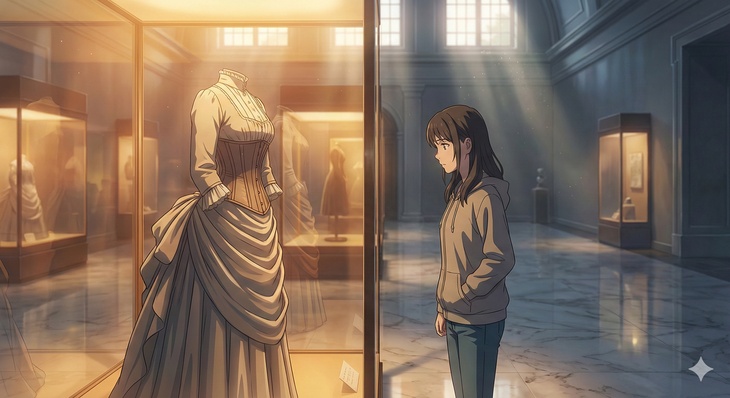
The Challenges of Fashion Trends in History
中文翻譯
時尚常被視為一種表達美和個性的方式。然而,縱觀歷史,追隨時尚潮流並不總是那麼容易。事實上,它經常帶來與身體疼痛、社會地位和環境破壞相關的重大挑戰。了解這些困難有助於我們看清「外表光鮮」的真實代價。在過去,最大的挑戰之一是身體上的不適。幾個世紀以來,人們穿著限制行動甚至傷害身體的衣服。一個著名的例子是 19 世紀女性穿著的束腹。它讓腰部看起來很細,但也讓人難以呼吸,甚至可能損傷內臟器官。同樣地,在某些文化中,人們穿著極高的鞋子或厚重的布料,這使得行走變得困難。時尚往往意味著默默忍受痛苦。
另一個挑戰是時尚與社會地位之間的聯繫。在歷史上,只有富人才能負擔得起絲綢或天鵝絨等高品質材料。服裝是個人社會階級的明確標誌。錢較少的人不得不穿簡單、粗糙的衣服。他們無法參與不斷變化的潮流,因為他們根本負擔不起。這在富人和窮人之間造成了明顯的鴻溝。
在現代,挑戰已經轉移。今天,我們面臨「快時尚」的問題。衣服比以往任何時候都更便宜、更容易買到,但這種便利是有代價的。時尚產業製造了大量的浪費和污染。許多廉價衣服穿了幾次就被扔掉。這破壞了環境,並消耗了水和能源等寶貴資源。
總之,雖然時尚允許創造力和自我表達,但它總是伴隨著挑戰。從過去的身體疼痛到今天的環境問題,追隨潮流並不像看起來那麼簡單。我們應該嘗試對我們穿什麼做出明智的選擇,同時考慮舒適度和我們星球的健康。
🔑 重點單字 (Vocabulary)
- trend n.. 潮流;趨勢
- restrict v.. 限制;約束
- movement n.. 動作;移動
- damage v.. 損害;傷害
- internal adj.. 內部的;體內的
- afford v.. 負擔得起
- material n.. 材料;布料
- divide n.. 鴻溝;分歧
- industry n.. 產業;工業
- pollution n.. 污染
- resource n.. 資源
- comfort n.. 舒適
掌握一種語言等於擁有一個新世界
 語言健身房 https://www.langym.com 提供
語言健身房 https://www.langym.com 提供
