
Literature serves as a profound vessel for human expression, transcending the boundaries of time and geography. When we delve into literary classics, we are not merely reading stories from the past; we are engaging in a dialogue with history and global culture. These masterpieces, whether they are the tragedies of Shakespeare, the philosophical novels of Dostoevsky, or the poetic verses of Li Bai, offer a window into the souls of different civilizations. They reveal that despite our diverse backgrounds, the fundamental human experiences love, loss, ambition, and fear are remarkably universal.
One of the primary reasons we celebrate these classics is their enduring relevance. A novel written two centuries ago can still resonate with a modern reader because it addresses the core of human nature. For instance, Jane Austen’s observations on social hierarchy and marriage in 19th-century England often mirror contemporary discussions about class and relationships. By studying these works, we gain a deeper perspective on our own society. We learn that while technology and lifestyles change, the emotional landscape of humanity remains largely constant.
However, appreciating global literature presents the challenge of language barriers. This is where the art of translation plays a pivotal role. Translators are the unsung heroes of global culture, acting as bridges between linguistic worlds. They must do more than simply swap words; they must capture the nuance, tone, and cultural context of the original text. A good translation allows a reader in Tokyo to feel the heat of the Colombian sun in a Gabriel García Márquez novel, or a student in New York to understand the quiet solitude of a Japanese haiku.
Furthermore, the digital age has revolutionized how we access and celebrate these texts. E-books and online libraries have made rare manuscripts accessible to anyone with an internet connection. Social media platforms allow readers from opposite sides of the globe to discuss themes and interpretations in real-time. This connectivity fosters a sense of global citizenship, where heritage is shared rather than isolated.
In conclusion, celebrating literary classics is an act of preserving our collective memory. It encourages empathy and broadens our intellectual horizons. As we navigate an increasingly interconnected world, turning back to these timeless pages helps us understand not only where we came from but also who we are. Literature, in its purest form, is the ultimate celebration of the human spirit.
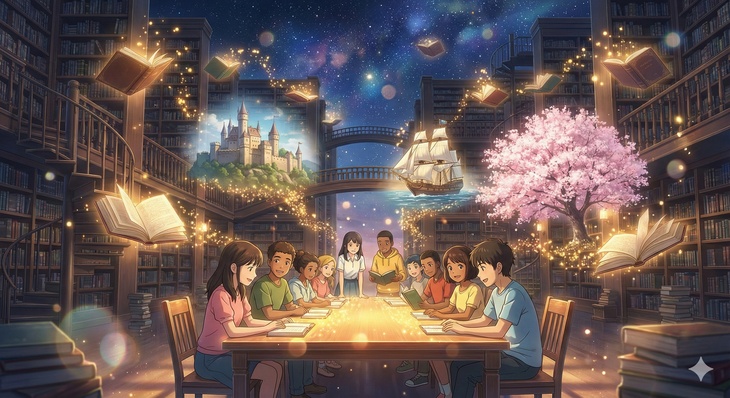
Celebrating Literary Classics and Global Culture
中文翻譯
文學作為人類表達的深奧載體,超越了時間和地理的界限。當我們鑽研文學經典時,我們不僅僅是在閱讀過去的故事;我們正在與歷史和全球文化進行對話。這些傑作,無論是莎士比亞的悲劇、杜斯妥也夫斯基的哲學小說,還是李白的詩句,都提供了一扇通往不同文明靈魂的窗戶。它們揭示了儘管我們的背景各異,但基本的人類經驗 愛、失去、野心和恐懼 卻是驚人地普遍。我們頌揚這些經典的主要原因之一是它們持久的相關性。一本兩個世紀前寫的小說仍然可以引起現代讀者的共鳴,因為它探討了人性的核心。例如,珍·奧斯汀對 19 世紀英國社會階層和婚姻的觀察,往往反映了當代關於階級和關係的討論。透過研讀這些作品,我們對自己的社會獲得了更深層的觀點。我們了解到,雖然科技和生活方式在改變,但人類的情感景觀在很大程度上保持不變。
然而,欣賞全球文學面臨著語言障礙的挑戰。這就是翻譯藝術發揮關鍵作用的地方。翻譯者是全球文化的無名英雄,充當語言世界之間的橋樑。他們必須做的不僅僅是交換文字;他們必須捕捉原文的細微差別、語氣和文化背景。好的翻譯讓東京的讀者能感受到加布列·賈西亞·馬奎斯小說中哥倫比亞陽光的熱度,或者讓紐約的學生理解日本俳句中的靜謐孤獨。
此外,數位時代徹底改變了我們獲取和頌揚這些文本的方式。電子書和線上圖書館使得稀有的手稿對任何有網路連接的人來說都是可存取的。社群媒體平台允許地球兩端的讀者即時討論主題和詮釋。這種連結性培養了一種全球公民意識,在這種意識中,遺產是共享的而不是孤立的。
總之,頌揚文學經典是一種保存我們集體記憶的行為。它鼓勵同理心並拓寬我們的知識視野。當我們在一個日益緊密相連的世界中航行時,回顧這些永恆的篇章不僅有助於我們了解我們來自哪裡,還有助於了解我們是誰。文學,以其最純粹的形式,是對人類精神的終極頌揚。
🔑 重點單字 (Vocabulary)
- transcend v.. 超越;跨越
- civilization n.. 文明
- universal adj.. 普遍的;全世界的
- relevance n.. 關聯性;實用性
- resonate v.. 引起共鳴
- perspective n.. 觀點;視角
- pivotal adj.. 關鍵的;樞紐的
- nuance n.. 細微差別
- accessible adj.. 可存取的;易接近的
- heritage n.. 遺產;傳統
- empathy n.. 同理心
- intellectual adj.. 智力的;理智的
掌握一種語言等於擁有一個新世界
 語言健身房 https://www.langym.com 提供
語言健身房 https://www.langym.com 提供
