
In the 21st century, the world is experiencing unprecedented demographic shifts. While climate change and technological advancements dominate global headlines, the rapid transformation of population structures is quietly reshaping the landscape of human rights. From rapidly aging societies in East Asia and Europe to expanding youth populations in parts of Africa, these demographic changes present profound challenges to governments and human rights advocates alike.
One of the most pressing issues is the aging population. As life expectancy increases and birth rates decline, nations face the heavy burden of providing adequate healthcare and pensions. This demographic reality threatens the fundamental rights of the elderly, particularly their right to a dignified life and access to social security. In many countries, healthcare systems are severely strained, leaving vulnerable seniors marginalized and without proper medical attention. Furthermore, age discrimination in the workplace has become a growing concern, as older individuals are often pushed out of the labor market prematurely.
Conversely, in regions experiencing a "youth bulge," the human rights challenges are entirely different but equally severe. When a large percentage of a country's population consists of young adults entering the workforce, the economy must create sufficient employment opportunities. Failure to do so often leads to massive youth unemployment, which can violate their right to work and an adequate standard of living. This economic frustration frequently sparks social unrest and political instability, further jeopardizing civil and political rights.
Additionally, demographic shifts are closely linked to migration. As people relocate to escape poverty or seek better opportunities in nations with shrinking labor forces, the rights of migrants are frequently violated. Migrant workers often face exploitation, unsafe working conditions, and systemic discrimination, highlighting a critical gap in international human rights protections.
In conclusion, demographic shifts are not merely statistical trends; they are human rights issues that demand immediate attention. To protect the rights of all individuals regardless of age or origin governments must implement inclusive policies that adapt to these changing populations. Only through proactive measures can we ensure that demographic transformations lead to a more equitable future rather than deepening existing inequalities.
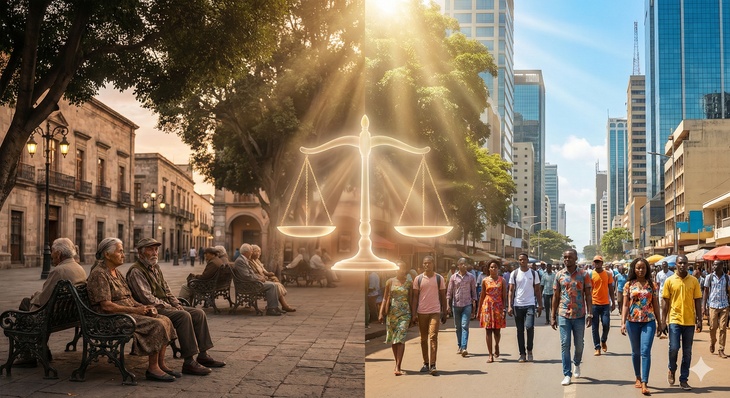
The Rising Impact of Demographic Shifts on Human Rights
中文翻譯
在21世紀,世界正經歷史無前例的人口結構變化。儘管氣候變遷和技術進步佔據了全球頭條新聞,但人口結構的快速轉變正悄悄重塑著人權的版圖。從東亞和歐洲快速高齡化的社會,到非洲部分地區不斷膨脹的青年人口,這些人口結構的變化對各國政府和人權倡導者都提出了深刻的挑戰。最迫切的問題之一是人口老化。隨著預期壽命的增加和出生率的下降,各國面臨著提供足夠醫療保健和養老金的沉重負擔。這種人口現實威脅到老年人的基本權利,尤其是他們過上有尊嚴的生活和獲得社會保障的權利。在許多國家,醫療體系嚴重承壓,使得脆弱的老年人被邊緣化,無法獲得適當的醫療照顧。此外,職場上的年齡歧視已成為日益嚴重的問題,因為年長者經常過早地被擠出勞動力市場。
相反地,在經歷「青年膨脹」的地區,人權挑戰截然不同,但同樣嚴峻。當一個國家很大比例的人口由進入勞動力市場的年輕人組成時,經濟必須創造足夠的就業機會。如果做不到這一點,通常會導致大規模的青年失業,這可能會侵犯他們的工作權和適當的生活水準。這種經濟上的挫折感經常引發社會動盪和政治不穩定,進一步危及公民權利和政治權利。
此外,人口結構變化與移民密切相關。隨著人們為了逃避貧困或在勞動力萎縮的國家尋求更好的機會而遷移,移民的權利經常遭到侵犯。移工經常面臨剝削、不安全的工作環境以及系統性歧視,這突顯了國際人權保護中的一個關鍵缺口。
總之,人口結構變化不僅僅是統計趨勢;它們是需要立即關注的人權問題。為了保護所有人的權利,無論年齡或出身為何,政府必須實施適應這些不斷變化的人口的包容性政策。只有透過積極的措施,我們才能確保人口轉型帶來一個更公平的未來,而不是加深現有的不平等。
🔑 重點單字 (Vocabulary)
- unprecedented adj.. 史無前例的;空前的
- demographic adj.. 人口結構的;人口統計的
- profound adj.. 深刻的;深遠的
- marginalize v.. 使邊緣化;忽視
- vulnerable adj.. 脆弱的;易受傷害的
- prematurely adv.. 過早地;未成熟地
- jeopardize v.. 危及;損害
- exploitation n.. 剝削;利用
- systemic adj.. 系統性的;全面的
- inclusive adj.. 包容的;包含在內的
- equitable adj.. 公平的;公正的
- advocate n.. 倡導者;擁護者
掌握一種語言等於擁有一個新世界
 語言健身房 https://www.langym.com 提供
語言健身房 https://www.langym.com 提供
