
Museums have always been important places for protecting our history and culture. However, in recent years, history museums around the world are facing a serious crisis. This problem is changing how they operate and survive in modern society.
One major challenge is the lack of money. Many museums rely heavily on ticket sales and donations. When economic problems occur, or when people choose other types of entertainment, visitor numbers drop. Without enough funding, it becomes difficult for these institutions to repair old buildings, preserve fragile artworks, and pay their staff.
Another issue is the rise of digital technology. Today, people can easily view famous historical objects on their smartphones or computers. Virtual tours allow anyone to "visit" a museum without leaving their homes. While this is convenient for the public, it means fewer people actually buy tickets to see the real exhibitions. To attract visitors, museums must invest in expensive interactive displays to make learning more exciting.
Furthermore, museums are dealing with ethical questions about their collections. Many famous items were taken from other countries during wars or colonial times. Now, these countries are demanding their cultural treasures back. Museums are caught in a difficult position. If they return the items, their collections will shrink. If they keep them, they face international criticism.
Finally, climate change poses a physical threat. Extreme weather, such as heavy rain and floods, can damage historical buildings and the precious artifacts inside them. Protecting these items requires modern temperature control systems, which cost a lot of money.
In conclusion, the global crisis of history museums is complex. To survive, they must find new ways to raise money, embrace digital changes, and solve ethical problems. They need to transform from quiet storage rooms into active, fair, and engaging cultural centers for everyone.
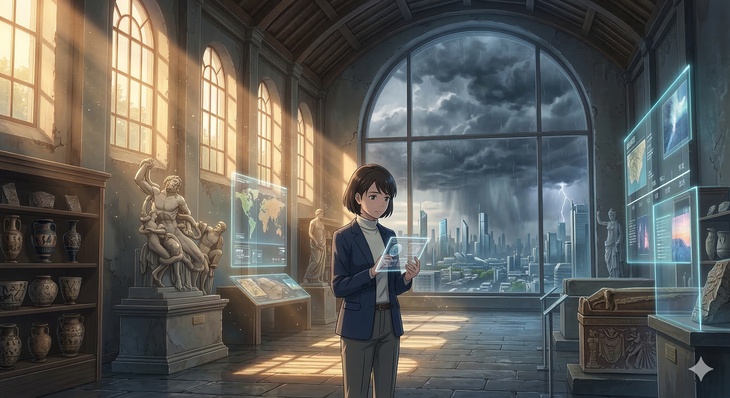
The Global Crisis of Museums in History
中文翻譯
博物館一直是保護我們歷史和文化的重要場所。然而近年來,世界各地的歷史博物館正面臨著嚴重的危機。這個問題正在改變它們在現代社會中的運作和生存方式。一個主要的挑戰是缺乏資金。許多博物館嚴重依賴門票收入和捐款。當經濟出現問題,或人們選擇其他類型的娛樂時,遊客人數就會下降。沒有足夠的資金,這些機構就很難修繕舊建築、保存脆弱的藝術品以及支付員工薪水。
另一個問題是數位科技的興起。今天,人們可以輕鬆地在智慧型手機或電腦上觀看著名的歷史文物。虛擬導覽讓任何人都能不出家門就「參觀」博物館。雖然這對大眾來說很方便,但這意味著買票看真實展覽的人變少了。為了吸引遊客,博物館必須投資昂貴的互動式展示,讓學習變得更有趣。
此外,博物館正在處理關於其館藏的道德問題。許多著名的物品是在戰爭或殖民時期從其他國家拿走的。現在,這些國家要求歸還他們的文化瑰寶。博物館陷入了兩難的境地。如果他們歸還這些物品,他們的館藏就會縮水。如果他們保留它們,就會面臨國際批評。
最後,氣候變遷構成了實質的威脅。極端天氣(如暴雨和洪水)會破壞歷史建築及其中珍貴的文物。保護這些物品需要現代化的溫度控制系統,這要花很多錢。
總之,歷史博物館的全球危機是複雜的。為了生存,它們必須找到新的籌款方式、擁抱數位變革,並解決道德問題。它們需要從安靜的儲藏室轉變為活躍、公平且吸引人的文化中心,為所有人服務。
🔑 重點單字 (Vocabulary)
- crisis n.. 危機
- survive v.. 生存;存活
- rely v.. 依賴;依靠
- donation n.. 捐款;捐贈
- fragile adj.. 脆弱的;易碎的
- exhibition n.. 展覽
- interactive adj.. 互動的
- ethical adj.. 倫理的;道德的
- criticism n.. 批評;指責
- artifact n.. 人工製品;歷史文物
- transform v.. 轉變;改造
- engaging adj.. 迷人的;吸引人的
掌握一種語言等於擁有一個新世界
 語言健身房 https://www.langym.com 提供
語言健身房 https://www.langym.com 提供
