
In recent decades, the pursuit of longevity has transitioned from a niche interest into a mainstream obsession. With advancements in medical science and an abundance of health-related information, people are increasingly adopting stringent diets, rigorous exercise regimens, and complex supplement routines. While the desire to extend one's lifespan is inherently positive, a growing number of health professionals are warning against a paradoxical phenomenon: the quest for longevity is taking a severe toll on mental health.
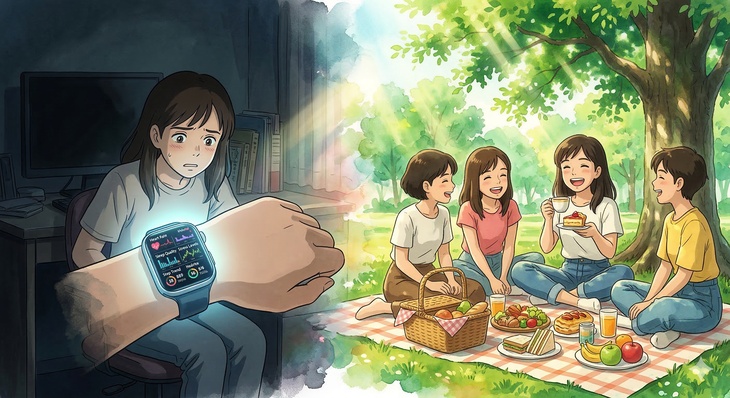
The modern wellness culture often promotes perfectionism. Individuals meticulously track their sleep cycles, monitor their caloric intake, and measure their heart rate variability. However, this hyper-vigilance can easily morph into a source of chronic anxiety. When missing a workout or indulging in a "forbidden" treat induces profound guilt, the stress hormone cortisol elevates. Ironically, chronic stress is a well-documented catalyst for premature aging and various physiological ailments, effectively negating the benefits of the healthy habits being practiced.
Furthermore, the relentless focus on the future can deprive individuals of the joy of the present. Social gatherings often revolve around food, and adhering to an inflexible diet can lead to social isolation. Human connection and emotional fulfillment are indispensable components of a vibrant life. Studies consistently demonstrate that strong social ties and a sense of purpose are just as critical for longevity as physical fitness.
Therefore, achieving true wellness necessitates a holistic approach that equally prioritizes mental and physical health. It involves cultivating self-compassion and recognizing that occasional indulgences are part of a balanced life. Health metrics should serve as guidelines rather than strict rules that dictate one's self-worth.
Ultimately, a long life is a hollow victory if it is devoid of happiness and peace of mind. By striking a delicate balance between striving for a healthy future and embracing the present moment, we can ensure that we are not merely adding years to our lives, but also adding life to our years.
Balancing Mental Health and Longevity
中文翻譯
在近幾十年裡,對長壽的追求已從一個小眾興趣轉變為主流的執念。隨著醫學的進步和健康相關資訊的豐富,人們越來越多地採用嚴格的飲食、嚴密的運動養生法以及複雜的營養補充計畫。雖然延長壽命的渴望本質上是正面的,但越來越多的健康專家正警告一個矛盾的現象:對長壽的追求正在對心理健康造成嚴重的損害。現代的健康文化經常提倡完美主義。人們一絲不苟地追蹤他們的睡眠週期、監控卡路里攝取,並測量心率變異性。然而,這種過度警覺很容易演變成慢性焦慮的來源。當錯過一次鍛鍊或享受一次「被禁止」的美食而引發深深的罪惡感時,壓力荷爾蒙皮質醇就會升高。諷刺的是,慢性壓力是有充分記錄的早衰及各種生理疾病的催化劑,有效地抵消了正在實行的健康習慣所帶來的好處。
此外,對未來的無情關注可能會剝奪人們享受當下的樂趣。社交聚會通常圍繞著食物,而堅持缺乏彈性的飲食可能會導致社會孤立。人際連結和情感滿足是充滿活力的生活中不可或缺的組成部分。研究一致表明,強大的人際關係和目標感對於長壽的重要性,絲毫不亞於身體健康。
因此,實現真正的健康需要一種全面性的方法,同等重視心理與生理健康。它涉及培養自我寬容,並體認到偶爾的放縱是平衡生活的一部分。健康指標應該作為指導方針,而不是主宰個人自我價值的嚴格規則。
最終,如果長壽缺乏快樂和內心的平靜,那將是一場空洞的勝利。透過在為健康的未來奮鬥與擁抱當下之間取得微妙的平衡,我們可以確保我們不僅僅是增加生命的歲月,更是為歲月增添生命力。
🔑 重點單字 (Vocabulary)
- longevity n.. 長壽
- obsession n.. 癡迷;執念
- stringent adj.. 嚴格的;苛刻的
- regimen n.. 養生之道;生活規則
- paradoxical adj.. 矛盾的;似非而是的
- hyper-vigilance n.. 過度警覺
- catalyst n.. 催化劑;促使變化的人事物
- indispensable adj.. 不可或缺的
- holistic adj.. 整體的;全面的
- compassion n.. 同情;憐憫
- dictate v.. 決定;支配
- devoid adj.. 缺乏...的;沒有...的
掌握一種語言等於擁有一個新世界
 語言健身房 https://www.langym.com 提供
語言健身房 https://www.langym.com 提供
