
The intersection of renewable energy and advanced robotics is precipitating a profound paradigm shift in modern society. "Renewable robotics" autonomous systems powered exclusively by sustainable energy sources such as solar, wind, or kinetic energy is emerging as a transformative force. Unlike their conventional counterparts, which exacerbate carbon emissions due to their reliance on fossil-fuel-generated grid electricity, renewable robots operate with a near-zero carbon footprint, paving the way for ubiquitous automation without ecological compromise.
One of the most salient applications of renewable robotics lies in environmental conservation and rehabilitation. Autonomous aquatic drones, propelled by wave energy and solar panels, traverse the oceans to collect microplastics and monitor marine biodiversity. Similarly, in agriculture, solar-powered robotic harvesters and weeders are revolutionizing farming practices. By leveraging artificial intelligence to optimize their energy consumption and operational efficiency, these machines alleviate the reliance on harmful chemical herbicides and minimize soil compaction, thereby fostering sustainable agricultural ecosystems.
Furthermore, the integration of renewable robotics is indispensable for disaster management and remote infrastructure maintenance. In regions devastated by natural calamities where power grids are rendered inoperable, self-sustaining drones can be deployed instantaneously. These aerial robots, equipped with photovoltaic skins, can remain airborne for extended periods to facilitate search and rescue operations, assess structural damage, and re-establish communication networks.
Despite the unprecedented potential, the widespread proliferation of renewable robotics is contingent upon surmounting several formidable challenges. The intermittent nature of renewable energy necessitates breakthroughs in high-density, lightweight energy storage mechanisms. Additionally, engineers must refine the energy efficiency of robotic actuators and computational hardware to maximize operational longevity under sub-optimal weather conditions.
Ultimately, the advent of renewable robotics signifies more than a mere technological milestone; it embodies a crucial stride toward harmonizing human ingenuity with environmental stewardship. As society navigates the escalating climate crisis, these self-sustaining autonomous entities will be instrumental in forging a resilient, ecologically balanced future.
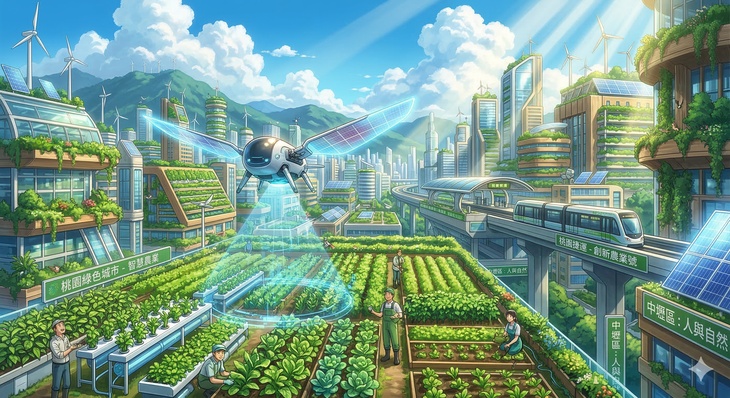
The Role of Renewable Robotics transforming Society
中文翻譯
再生能源與先進機器人技術的交會,正在現代社會中促成一場深刻的典範轉移。「再生機器人」 完全由太陽能、風能或動能等永續能源驅動的自主系統 正作為一股變革力量崛起。與依賴化石燃料發電的傳統機器人不同(後者會加劇碳排放),再生機器人以近乎零碳足跡的方式運作,為在不妥協生態的前提下實現無所不在的自動化鋪平了道路。再生機器人技術最顯著的應用之一在於環境保護與復育。由波浪能和太陽能板推進的自主水上無人機,穿梭於海洋中收集微塑料並監測海洋生物多樣性。同樣地,在農業領域,太陽能驅動的機器人收割機和除草機正在徹底改變農業實踐。藉由利用人工智慧來優化能源消耗和運作效率,這些機器減少了對有害化學除草劑的依賴,並將土壤壓實現象降至最低,從而促進永續的農業生態系統。
此外,再生機器人的整合對於災害管理和遠端基礎設施維護也是不可或缺的。在電網完全癱瘓的自然災害重災區,可以立即部署自我維持的無人機。這些配備了光伏外層的空中機器人能夠長時間滯空,以協助搜救行動、評估結構損壞並重建通訊網路。
儘管潛力空前,但再生機器人的廣泛普及仍取決於克服幾項艱鉅的挑戰。再生能源的間歇性特質,迫使我們必須在高密度、輕量化的儲能機制上取得突破。此外,工程師必須進一步提升機器人致動器與運算硬體的能源效率,以在次優的天氣條件下將運作壽命最大化。
最終,再生機器人的問世不僅僅象徵著一個技術里程碑;它更體現了將人類智慧與環境保護相融合的重要進展。隨著社會應對日益嚴峻的氣候危機,這些能夠自我維持的自主實體,將在打造一個具備韌性且生態平衡的未來中扮演關鍵角色。
🔑 重點單字 (Vocabulary)
- precipitate v.. 促成;加速發生
- paradigm n.. 典範;範例
- exacerbate v.. 使惡化;加劇
- ubiquitous adj.. 無所不在的;普遍存在的
- salient adj.. 顯著的;突出的
- indispensable adj.. 不可或缺的;必需的
- contingent adj.. 取決於...的 (常接 upon/on)
- surmount v.. 克服(困難、障礙)
- formidable adj.. 艱鉅的;令人敬畏的
- stewardship n.. 管理;保護
掌握一種語言等於擁有一個新世界
 語言健身房 https://www.langym.com 提供
語言健身房 https://www.langym.com 提供
