
The electric bicycle, or e-bike, has emerged as a significant player in the evolution of modern urban transport. While traditional bicycles still hold their appeal, e-bikes offer a powerful blend of convenience, sustainability, and efficiency that resonates with today's commuters. Their growing popularity is due to several key factors.
Firstly, e-bikes make cycling accessible to a wider range of people. The electric motor provides assistance, especially when tackling hills or fighting against strong winds, meaning riders don't have to be peak athletes to enjoy long-distance commutes. This assistance is particularly valuable for older adults or those with physical limitations.
Secondly, in crowded cities, e-bikes offer a practical alternative to cars and public transport. They allow riders to bypass traffic congestion and often utilize bike lanes, significantly cutting down travel time. Furthermore, they are an eco-friendly option. Unlike cars, they produce zero emissions, contributing to cleaner air and reduced noise pollution in urban areas. This sustainable aspect is a major draw for environmentally conscious consumers.
The initial cost of an e-bike can be higher than a regular bicycle, which might be a deterrent for some. However, when considering the long-term savings on fuel, parking, and public transport fares, an e-bike becomes a very economical choice. Maintenance is generally straightforward, though the battery life and replacement cost are factors potential buyers should evaluate.
As technology advances, e-bikes are becoming lighter, more powerful, and equipped with sophisticated features like GPS and integrated lighting. This continuous innovation suggests that e-bikes are not just a passing trend but a permanent and increasingly vital component of a sustainable urban future.
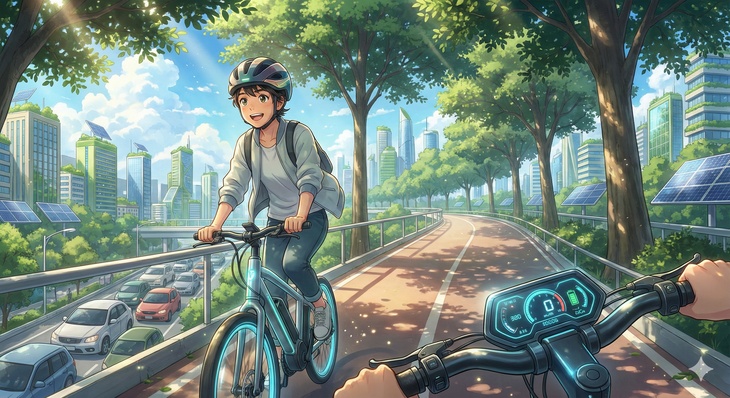
The Rise of E-bikes in Modern Commuting
中文翻譯
電動自行車(e-bike)已成為現代城市交通發展中的一個重要角色。雖然傳統自行車仍具吸引力,但電動自行車提供了便利性、永續性和效率的強大結合,引起了當今通勤者的共鳴。它們日益增長的受歡迎程度歸因於幾個關鍵因素。首先,電動自行車讓更廣泛的人群可以使用自行車。電動馬達提供了輔助,尤其是在爬坡或抵抗強風時,這意味著騎行者不必是頂尖運動員,也能享受長途通勤。這種輔助對於老年人或有身體限制的人來說尤其有價值。
其次,在擁擠的城市中,電動自行車為汽車和公共交通提供了一個實用的替代方案。它們讓騎行者能夠繞過交通擁堵,並且通常可以利用自行車道,大大縮短了通勤時間。此外,它們是一種環保的選擇。與汽車不同,它們零排放,有助於城市地區的空氣淨化和噪音污染減少。這種永續性對具有環保意識的消費者來說是一個主要的吸引力。
電動自行車的初始成本可能高於普通自行車,這對某些人來說可能是一個阻礙。然而,考慮到在燃料、停車費和公共交通票價方面的長期節省,電動自行車成為一個非常經濟實惠的選擇。維護通常很簡單,不過電池壽命和更換成本是潛在買家應該評估的因素。
隨著技術的進步,電動自行車變得更輕、更強大,並配備了複雜的功能,如 GPS 和集成照明。這種持續的創新表明,電動自行車不僅僅是一種短暫的趨勢,而是一個永續城市未來中永久且日益重要的組成部分。
🔑 重點單字 (Vocabulary)
- e-bike n.. 電動自行車
- popularity n.. 受歡迎程度
- accessible adj.. 可使用的;易達到的
- limitation n.. 限制;局限
- bypass v.. 繞過;避開
- eco-friendly adj.. 環保的
- pollution n.. 污染
- deterrent n.. 威懾物;阻礙
- economical adj.. 經濟實惠的;節儉的
- evaluate v.. 評估;鑑定
- innovation n.. 創新;革新
掌握一種語言等於擁有一個新世界
 語言健身房 https://www.langym.com 提供
語言健身房 https://www.langym.com 提供
