
Have you ever wondered why a cup of coffee costs much more today than it did twenty years ago? This common situation is a perfect example of inflation. Simply put, inflation is the general increase in the prices of goods and services over time. When inflation happens, the purchasing power of your money decreases. This means that a hundred dollars today will buy you fewer things than it did in the past.
Throughout history, inflation has evolved in many interesting ways. In ancient times, inflation often occurred when kings or emperors secretly reduced the amount of valuable metal, like gold or silver, in their coins. By making more coins with less value, the prices of everyday items naturally went up. People needed more coins to buy the same loaf of bread.
During the 20th century, the causes of inflation became more complex. Governments started using paper money instead of coins made of precious metals. Sometimes, to pay for wars or huge national projects, governments printed too much paper money. A famous example is Germany in the 1920s, where prices rose so fast that people had to carry wheelbarrows full of cash just to buy groceries. This extreme situation is called hyperinflation.
Today, modern central banks try to control inflation carefully. They aim for a low and steady rate, usually around two percent a year. They believe this small amount of inflation encourages people to spend and invest their money rather than keeping it hidden at home. However, events like global pandemics or wars can still disrupt supply chains, causing sudden spikes in prices.
Understanding inflation is essential for everyone, not just bankers or politicians. It affects how much we pay for food, rent, and education. By learning about its history and evolution, we can make smarter choices about saving and investing our money for the future.
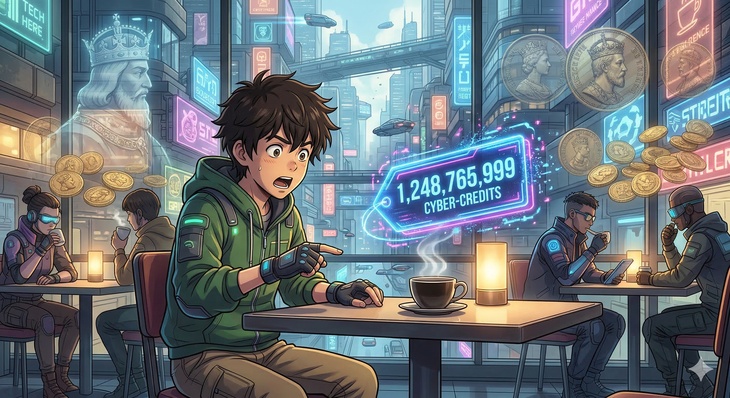
The Evolution of Inflation for Beginners
中文翻譯
你是否曾經想過,為什麼今天一杯咖啡的價格比二十年前貴得多?這個常見的情況正是通貨膨脹的完美例子。簡單來說,通貨膨脹是指商品和服務價格隨時間普遍上漲的現象。當通貨膨脹發生時,你金錢的購買力就會下降。這意味著今天的一百元能買到的東西比過去還要少。綜觀歷史,通貨膨脹以許多有趣的方式演變。在古代,通貨膨脹通常發生在國王或皇帝暗中減少硬幣中貴重金屬(如金或銀)含量的時候。藉由製造更多價值較低的硬幣,日常用品的價格自然就上漲了。人們需要更多的硬幣才能買到同一條麵包。
到了二十世紀,通貨膨脹的原因變得更加複雜。政府開始使用紙鈔取代由貴金屬製成的硬幣。有時候,為了支付戰爭或龐大的國家計畫費用,政府印製了太多的紙鈔。一個著名的例子是 1920 年代的德國,當時物價上漲得太快,人們甚至必須推著裝滿現金的手推車去買日常雜貨。這種極端的情況被稱為惡性通貨膨脹。
如今,現代中央銀行試圖謹慎地控制通貨膨脹。他們的目標是維持一個低且穩定的比率,通常約為每年百分之二。他們認為,這種小幅度的通貨膨脹會鼓勵人們消費和投資,而不是把錢藏在家裡。然而,全球大流行病或戰爭等事件仍可能擾亂供應鏈,導致價格突然飆升。
了解通貨膨脹對每個人來說都是不可或缺的,而不僅僅是銀行家或政治家需要了解。它影響我們支付食物、房租和教育的費用。透過學習它的歷史與演變,我們可以在為未來儲蓄和投資金錢時,做出更明智的選擇。
🔑 重點單字 (Vocabulary)
- decrease v.. 減少;下降
- evolve v.. 演變;發展
- emperor n.. 皇帝
- precious adj.. 珍貴的;貴重的
- complex adj.. 複雜的
- extreme adj.. 極端的
- steady adj.. 穩定的;持續的
- encourage v.. 鼓勵
- disrupt v.. 擾亂;中斷
- essential adj.. 不可或缺的;基本的
掌握一種語言等於擁有一個新世界
 語言健身房 https://www.langym.com 提供
語言健身房 https://www.langym.com 提供
