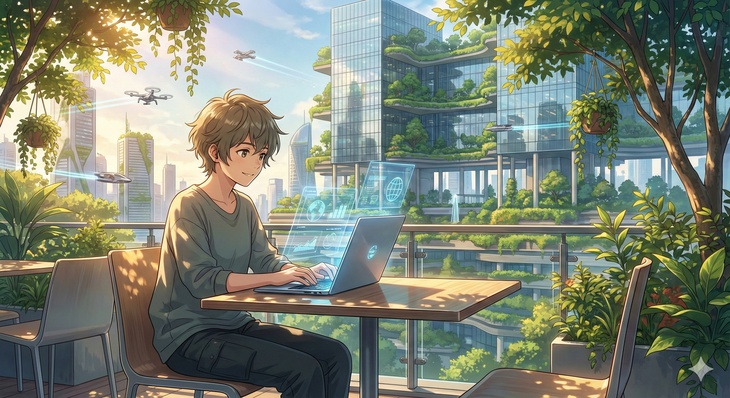
The traditional 9-to-5 workday and the ubiquitous office environment are rapidly becoming relics of a bygone era. A paradigm shift is underway, fundamentally reshaping how, where, and when we work. At the forefront of this transformation is the rise of the gig economy, a labor market characterized by short-term contracts or freelance work, rather than permanent jobs. This model, often facilitated by digital platforms, offers individuals unprecedented autonomy and a diverse array of projects, but simultaneously introduces significant challenges regarding financial precarity and the absence of traditional employee benefits.
The COVID-19 pandemic acted as a major catalyst, accelerating the adoption of remote work. Companies, initially skeptical about maintaining productivity outside the physical office, were compelled to adapt. The successful transition has since proven that geographical constraints are often superfluous to output, paving the way for a more distributed and flexible workforce. This evolution, however, is not without its complexities. Maintaining team cohesion and fostering a strong corporate culture requires innovative digital strategies and a conscious effort to prevent employee isolation.
Furthermore, the integration of Artificial Intelligence (AI) and automation is poised to exacerbate the need for continuous upskilling. While concerns about job displacement are valid, the greater reality is a shift towards roles that require uniquely human attributes: critical thinking, creativity, and emotional intelligence. The future workplace demands a proactive mindset one that views learning not as a finite process but as a perpetual necessity. Navigating this evolving landscape effectively requires both employers and employees to embrace adaptability and a commitment to lifelong learning, securing a robust position in the work ecosystem of tomorrow.
The Evolving Landscape of Work: Embracing the Gig Economy and Remote Flexibility
中文翻譯
傳統朝九晚五的工作日和普遍存在的辦公室環境,正迅速成為一個逝去時代的遺跡。一場典範轉移正在發生,從根本上重塑了我們工作的方式、地點和時間。這場轉變的核心是零工經濟的興起,這是一個以短期合約或自由職業者工作為特徵的勞動力市場,而非永久職位。這種模式通常由數位平台促成,為個人提供了前所未有的自主權和多樣化的專案,但同時也帶來了財務不穩定性以及缺乏傳統員工福利等重大挑戰。COVID-19 疫情是主要的催化劑,加速了遠距工作的採用。公司最初對在實體辦公室之外維持生產力持懷疑態度,但被迫進行調整。事實證明,這次成功的轉型證明地理限制對於產出往往是多餘的,為更加分散和靈活的勞動力鋪平了道路。然而,這種演變並非沒有其複雜性。維持團隊凝聚力和培養強大的企業文化,需要創新的數位策略和有意識地努力防止員工孤立。
此外,人工智慧(AI)和自動化的整合,預計將加劇持續提升技能的需求。儘管對工作崗位被取代的擔憂是合理的,但更大的現實是工作將轉向需要獨特人類特徵的角色:批判性思維、創造力和情商。未來的工作場所要求一種積極主動的心態——將學習視為一種持續不斷的需求,而非一個有限的過程。有效應對這個不斷變化的環境,需要雇主和員工都擁抱適應性以及對終身學習的承諾,以確保在未來的工作生態系統中佔據穩固的地位。
🔑 重點單字 (Vocabulary)
- ubiquitous Adj.. 普遍存在的;無所不在的
- paradigm shift Noun Phrase. 典範轉移;模式轉變
- gig economy Noun Phrase. 零工經濟
- precarity Noun. 不穩定性;朝不保夕
- catalyst Noun. 催化劑;促成變化的因素
- skeptical Adj.. 懷疑的;不相信的
- superfluous Adj.. 多餘的;不必要的
- cohesion Noun. 凝聚力;團結
- isolation Noun. 孤立;隔絕
- exacerbate Verb. 加劇;惡化
- mindset Noun. 心態;傾向;觀念模式
- adaptability Noun. 適應性;可變性
掌握一種語言等於擁有一個新世界
 語言健身房 https://www.langym.com 提供
語言健身房 https://www.langym.com 提供
