
In an era dominated by mass-produced goods and high-tech gadgets, there is a surprising and significant renaissance of traditional crafts. Across the globe, younger generations are rediscovering the value of handmade items, from Japanese pottery and Italian leatherwork to Taiwanese indigo dyeing. This movement is not just about nostalgia; it represents a growing desire for authenticity and sustainability in a world that often feels disposable.
Social media platforms have played a pivotal role in this cultural shift. Artisans who once struggled to find customers outside their local villages can now showcase their meticulous processes to a global audience. Through short videos, they demonstrate the patience required to master a craft, which contrasts sharply with the "instant gratification" culture of the modern internet. This transparency allows consumers to appreciate the story behind an object, fostering a deeper emotional connection between the creator and the buyer.
Furthermore, many cultural organizations are working to ensure these traditions remain viable for future generations. By integrating modern design aesthetics with ancient techniques, craftsmen are making traditional products more appealing to contemporary tastes. For example, indigenous weaving patterns are being incorporated into modern fashion and interior design.
However, the preservation of these crafts faces a formidable challenge: the lack of apprentices. Many traditional skills take decades to master, and fewer young people are willing to commit to such a long learning process when more lucrative careers are available in technology or finance. To truly sustain these cultural treasures, society must find ways to provide better economic support for artisans, ensuring that "handmade" continues to mean "high quality" rather than "hardship."
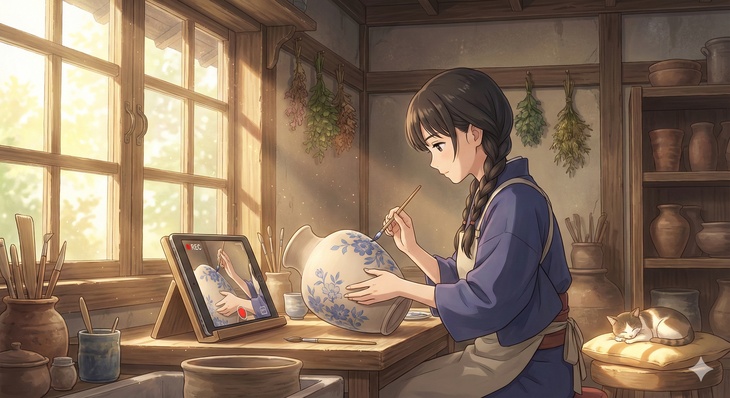
The Global Renaissance of Traditional Crafts in the Digital Age
中文翻譯
在一個由大量生產的商品和高科技產品主導的時代,傳統工藝正經歷著一場令人驚訝且重大的復興。在全球範圍內,年輕一代正在重新發現手工製品的價值,從日本陶藝、義大利皮革工藝到台灣的藍染。這場運動不僅僅是關於懷舊;它代表了在一個通常讓人感到「即用即棄」的世界中,人們對真實性和永續性日益增長的渴望。社群媒體平台在這一文化轉變中發揮了關鍵作用。曾經難以在當地村莊之外找到客戶的工匠,現在可以向全球觀眾展示他們細緻的工藝過程。透過短影音,他們展示了精通一門手藝所需的耐心,這與現代網路的「即時享樂」文化形成了鮮明對比。這種透明度讓消費者能夠欣賞物件背後的故事,在創作者和購買者之間建立更深層次的情感連結。
此外,許多文化組織正致力於確保這些傳統對後代來說仍然是可行的。藉由將現代設計美學與古老技術相結合,工匠們正使傳統產品更符合現代人的口味。例如,原住民的編織圖案正被融入現代服裝和室內設計中。
然而,這些工藝的保護面臨著一個艱巨的挑戰:缺乏學徒。許多傳統技能需要數十年的時間才能精通,而當科技或金融領域有更多高薪職業可供選擇時,願意投入如此漫長學習過程的年輕人越來越少。為了真正維持這些文化瑰寶,社會必須找到為工匠提供更好經濟支持的方法,確保「手工製作」持續代表「高品質」而非「艱辛」。
🔑 重點單字 (Vocabulary)
- renaissance n.. 復興;新生
- pivotal adj.. 關鍵的;核心的
- meticulous adj.. 一絲不苟的;細緻的
- gratification n.. 滿足;喜悅
- viable adj.. 可行的;生存能力
- aesthetics n.. 美學;審美觀
- indigenous adj.. 土著的;本地的;原住民的
- formidable adj.. 艱巨的;令人畏懼的
- apprentice n.. 學徒;徒弟
- sustain v.. 維持;支撐
掌握一種語言等於擁有一個新世界
 語言健身房 https://www.langym.com 提供
語言健身房 https://www.langym.com 提供
